




虽然古籍中记载桑黄可以入药,但是对于桑黄性状的描述比较模糊,因此,仅根据古籍中的记载难以准确判定哪种桑黄是古籍中所记载的桑黄。对此,不同学者之间存在较大的争议。有学者认为只有长在桑树上的桑黄Sanghuangporus sanghuang Sheng H. Wu, L.W. Zhou & Y.C. Dai才是真正的桑黄(吴声华和戴玉成 2020);包海鹰等(2017)认为粗毛纤孔菌Inonotus hispidus (Bull.) P. Karst.与古籍中记载的桑黄最为相似;杨焱等(2022)认为古籍中所记载的“桑黄”并不是单一的一个物种,桑黄孔菌属Sanghuangporus Sheng H. Wu, L.W. Zhou & Y.C. Dai、纤孔菌属Inonotus P. Karst.、木层孔菌属Phellinus Quél.、嗜蓝孢孔菌属Fomitiporia Murrill以及拟层孔菌属Fomitopsis P. Karst.中的多个物种都可以被称为广义上的“桑黄”。毫无争议的是,这些桑黄类真菌都具有丰富的活性物质,包括多糖、黄酮、酚类和萜类等,且都具有良好的药理活性(陈万超等 2020)。
目前,对于桑黄类真菌的研究大多是对某一个物种的成分及其药理活性的研究。研究表明,粗毛纤孔菌可以通过诱导IL-2和IFN-γ免疫因子的生成,提高免疫力,抑制肿瘤细胞的生长(王婷等 2016);裂蹄木层孔菌Tropicoporus linteus L.W. Zhou, Y.C. Dai & Sheng H. Wu.中的hispidin可以有效清除细胞内的活性氧,并刺激胰岛素的分泌,以达到降血糖的作用(Lee et al. 2011);鲍姆桑黄S. baumii (Pilát) L.W. Zhou & Y.C. Dai的提取物具有治疗类风湿关节炎的潜力(Yayeh et al. 2013),并且鲍姆桑黄中的多糖类化合物也具有抗炎活性,可以用于治疗结肠炎(Sun et al. 2021)。但是系统比较多种桑黄类真菌药理活性的研究相对较少,并且多使用粗提物来进行研究。武晓林等(2018)验证了6种桑黄类真菌的水提物可以通过抑制Bcl-2蛋白表达、促进Bax蛋白的表达,从而达到抗肿瘤的效果,另外,还有研究验证了6种桑黄类真菌的石油醚提取物可以增强免疫功能,从而达到抗肿瘤的作用(王超儀和包海鹰 2013)。总的来说,目前对于系统地比较桑黄类真菌中成分及活性的研究相对较少,而能具体到某一种活性成分的研究更少。
本研究基于网络药理学筛选栎木桑黄Sanghuangporus quercicola L. Zhu & B.K. Cui、鲍姆桑黄、粗毛纤孔菌、裂蹄木层孔菌和黑盖木层孔菌Phellinus nigricans (Fr.) Pat.这5种桑黄类真菌中的有效化合物,并对其潜在靶点进行GO (gene ontology)生物学过程富集分析和KEGG (Kyoto encyclopedia of genes and genomes pathway analysis)代谢通路富集分析,结合现有的文献报道,筛选其对炎症、糖尿病、肝癌、阿尔茨海默病和衰老的抗病靶点,并筛选关键靶点,进行分子对接,为今后研究桑黄类真菌中化合物的抗病机制提供理论依据。
1 材料与方法
1.1 桑黄类真菌化合物的筛选
本实验中的化合物来自实验室前期通过液-质联用仪检测验证的桑黄中的活性物质以及部分文献的汇总。首先通过化合物数据库PubChem (
1.2 化合物靶点的搜集
1.3 GO功能富集与KEGG通路分析
通过DAVID数据库(
1.4 五种疾病的作用靶点的搜集和筛选
通过OMIM (
1.5 蛋白质相互作用网络的构建及关键靶点的筛选
将1.4中筛选到的抗病靶点合并去重后上传至STRING在线数据库(Szklarczyk et al. 2019),从中提取人类基因组中桑黄化合物潜在靶点的蛋白质-蛋白质相互作用(protein-protein interaction, PPI)网络,以获取靶点与蛋白之间的相互作用信息。选取筛选结果minimum required interaction score>0.9的高置信度数据以提高筛选结果的准确性。随后,将STRING数据库预测的PPI互作网络导入Cytoscape 3.9.0软件(Kohl et al. 2011),并利用插件Cytohubba筛选重要的靶点,构建核心子网络进行进一步分析。
1.6 桑黄类真菌-有效化合物-关键靶点-5种疾病网络的构建
利用Cytoscape 3.9.0软件构建桑黄类真菌-有效化合物-关键靶点-5种疾病网络图。其中节点分别代表桑黄类真菌中的有效化合物、筛选得到的关键靶点以及5种疾病;边代表三者之间的相互作用关系。
1.7 关键靶点的分子对接
在Protein Data Bank (PDB,
2 结果与分析
2.1 桑黄类真菌化合物的筛选及靶点的收集
利用PubChem数据库筛选,FAFDurgs 4数据库复筛后,共筛选得到39种化合物(表1)。通过Swiss Target Prediction数据库搜集、去重后得到对应的潜在靶点588个。通过Cytoscape 3.9.0构建化合物和靶点的网络图,该网络包含了632个节点,1 730条边,其中节点代表桑黄类真菌、化合物及其潜在的靶点,粉色节点代表5种桑黄类真菌(Q:栎木桑黄、N:黑盖木层孔菌、L:裂蹄木层孔菌、B:鲍姆桑黄、H:粗毛纤孔菌),橘色网络节点表示39种化合物,蓝色网络节点表示化合物对应的潜在靶点基因,边表示化合物和靶点之间具有的相互作用(图1)。通过网络图可以看出,存在多个化合物对应一个靶点或者一个化合物对应多个靶点的现象,表明单个化合物可能通过多个靶点对多种疾病产生治疗效果,多个化合物可能通过相同靶点对疾病产生治疗效果。
表1 桑黄类真菌中的有效化合物相关信息
Table 1
| 序号 No. | 化合物 Compound | 分子式 Molecular formula | 结构式 Structure | 桑黄类真菌 Sanghuang | 来源 References |
|---|---|---|---|---|---|
| 1 | Gallic acid | C7H6O5 | 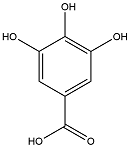 | B, N, Q | a |
| 2 | Chlorogenic acid | C16H18O9 | 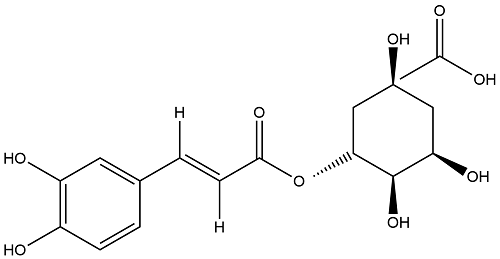 | B, H, L, N, Q | a |
| 3 | Syringate | C9H10O5 | 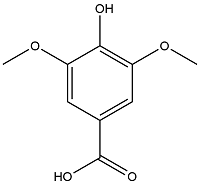 | B, L, N, Q | a |
| 4 | Coumalic acid | C6H4O4 | 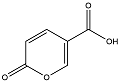 | B, L, N, Q | a |
| 5 | Cinnamic acid | C9H8O2 | 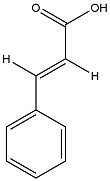 | B, H, L, N, Q | a |
| 6 | Bis-noryangonin | C13H10O4 | 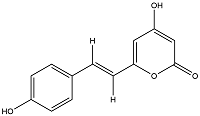 | H | b |
| 7 | Caffeic acid | C9H8O4 | 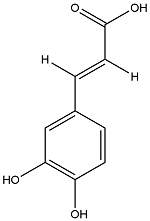 | B, H, L, N, Q | a |
| 8 | Uridine | C9H12N2O6 | 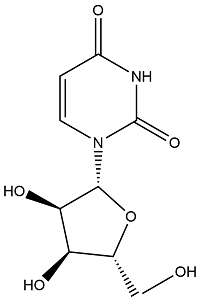 | B, H, L, N, Q | a |
| 9 | 4-vinylresorcinol | C8H8O2 | 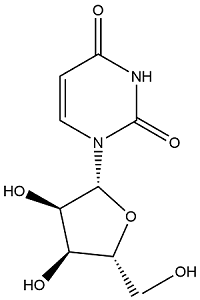 | B, H, L, N, Q | a |
| 10 | 4-vinylphenol | C8H8O | 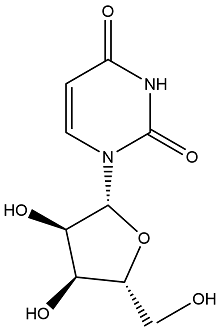 | B, H, L, N, Q | a |
| 11 | Protocatechuic acid | C7H6O4 | 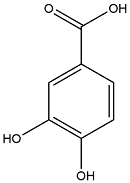 | B, H, L, N, Q | a |
| 12 | Protocatechuic aldehyde | C7H6O3 | 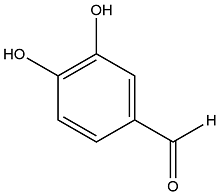 | B, H, L, N, Q | a |
| 13 | Squarrosidine | C27H20O9 | 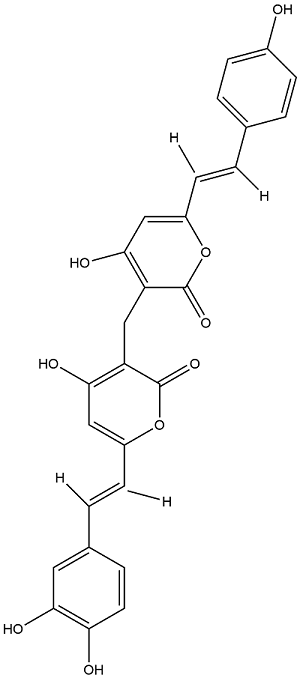 | B, H, L, N, Q | a |
| 序号 No. | 化合物 Compounds | 分子式 Molecular formula | 结构式 Structure | 桑黄类真菌 Sanghuang | 来源 References |
| 14 | Interfungin A | C25H20O9 | 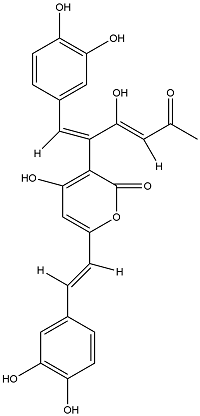 | B, H, L, Q | a |
| 15 | Inoscavin A | C25H18O9 | 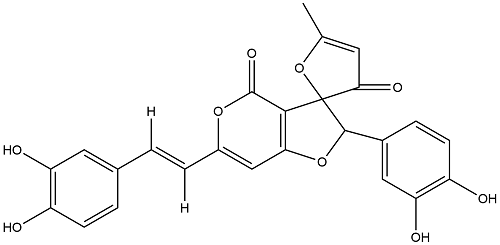 | L, N, Q | a |
| 16 | Inoscavin C | C23H16O8 | 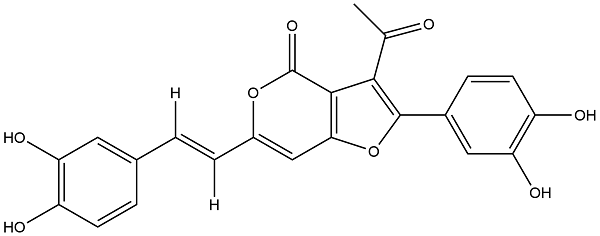 | N, Q | a |
| 17 | Phellibaumin B | C22H16O9 | 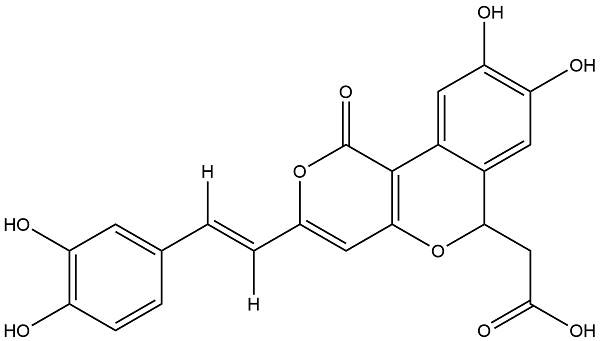 | H, L, Q | a |
| 18 | Denudatin B | C21H24O5 | 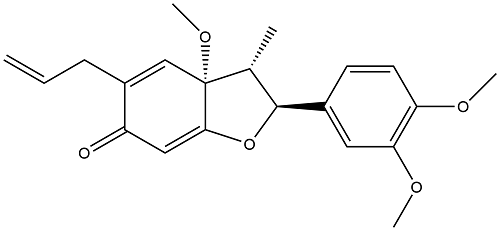 | B, H, L, N, Q | a |
| 19 | 14-labdadien-13-ol | C20H34O | 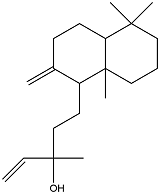 | B | a |
| 20 | Isopimaric acid | C20H30O2 | 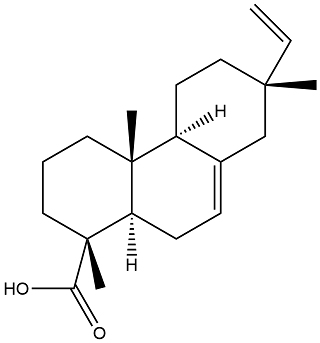 | H, L, Q | a |
| 21 | Saurufuran A | C20H28O3 | 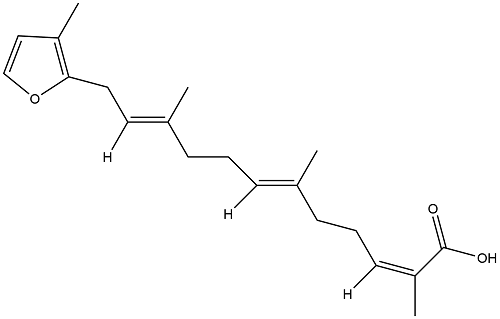 | L, Q | a |
| 22 | Dehydroabietic acid | C20H28O2 | 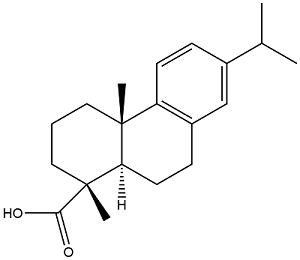 | B, H, N | a |
| 23 | Phelligridin D | C20H12O8 | 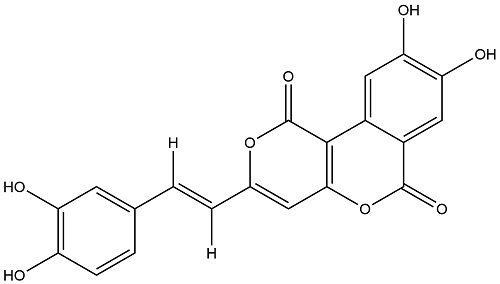 | H | a |
| 24 | Phelligridin C | C20H12O7 | 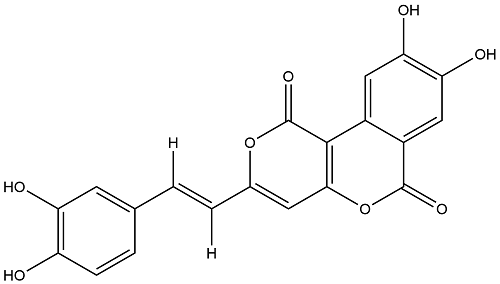 | B, H, L, N, Q | a |
| 25 | Phellinsin A | C19H16O7 | 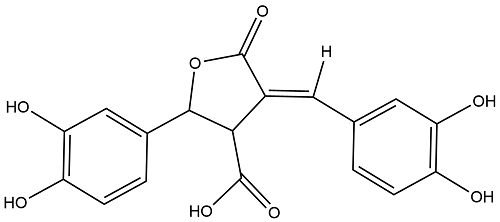 | Q | a |
| 26 | Phellibaumin A | C19H12O7 | 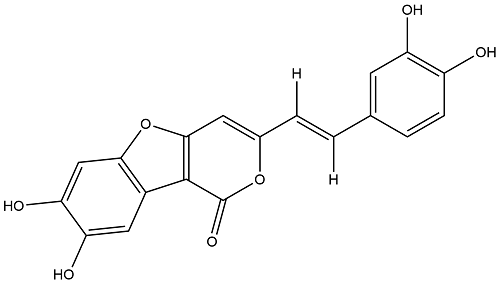 | Q | a |
| 27 | Dibutyl phthalate | C16H22O4 | 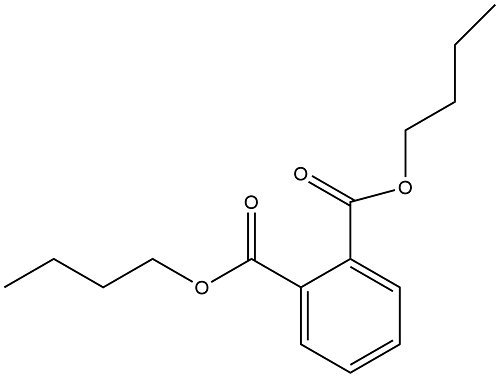 | B, H, N, Q | a |
| 28 | Scopolin | C16H18O9 | 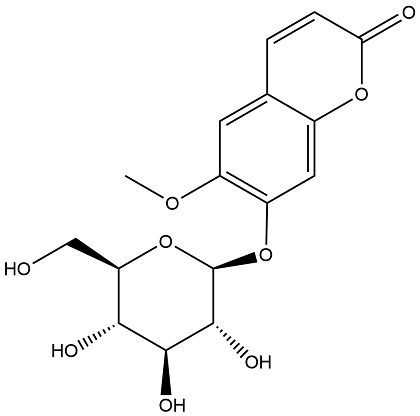 | B, H, L, N, Q | a |
| 序号 No. | 化合物 Compounds | 分子式 Molecular formula | 结构式 Structure | 桑黄类真菌 Sanghuang | 来源 References |
| 29 | Sternbin | C16H14O6 | 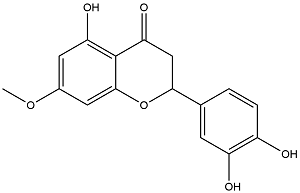 | Q | a |
| 30 | Rhamnetin | C16H12O7 | 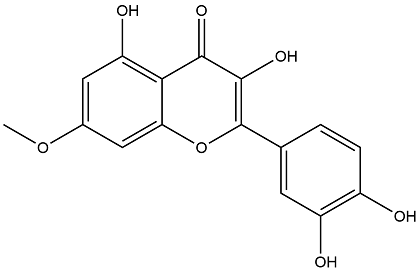 | L, Q | a |
| 31 | Naringenin | C15H12O5 | 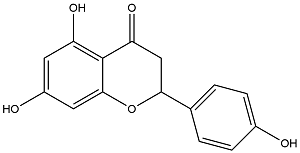 | B, H, L, N, Q | a |
| 32 | Phelligridin A | C13H8O6 | 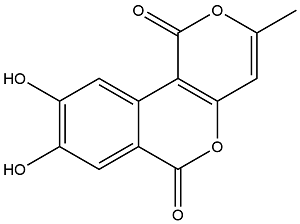 | B, N, Q | a |
| 33 | Phelligridin J | C13H6O8 | 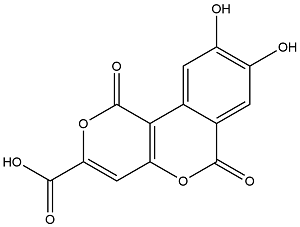 | B, H, L, N, Q | a |
| 34 | Hispidin | C13H10O5 | 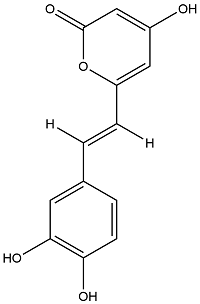 | B, H, L, N, Q | a |
| 35 | Hispolon | C12H12O4 | 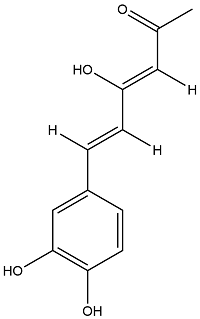 | B, H, L, N, Q | a |
| 36 | Inotilone | C12H10O4 | 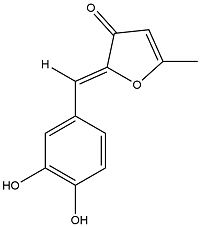 | B, H, L, N, Q | a |
| 37 | Scopoletin | C10H8O4 | 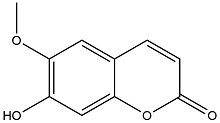 | B, L, N | a |
| 38 | Herniarin | C10H8O3 | 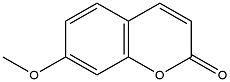 | B, H, L, N, Q | a |
| 39 | 4-(3,4-dihydroxyphenyl)-3-butene-2-one | C10H10O3 | 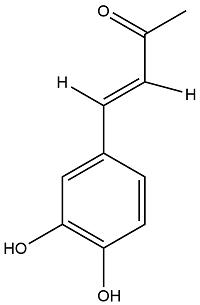 | B, N, Q | a |
L:裂蹄木层孔菌;H:粗毛纤孔菌;B:鲍姆桑黄;N:黑盖木层孔菌;Q:栎木桑黄. a:实验室通过液-质联用仪检测验证的桑黄中的活性物质;b:韩晨等 2020
L: Tropicoporus linteus; H: Inonotus hispidus; B: Sanghuangporus baumii; N: Phellinus nigricans; Q: Sanghuangporus quercicola. a: Data of active substances in verified sanghuang detected by ultra-performance liquid chromatography-tandem mass spectrometry; b: Han et al. 2020.
图1
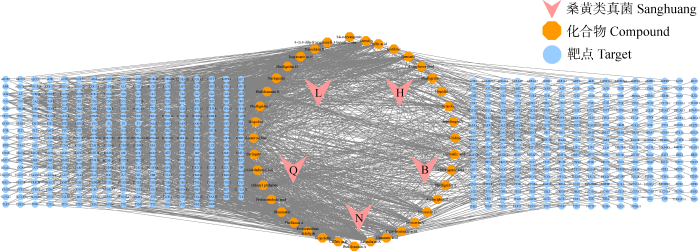
图1
桑黄类真菌-化合物-靶点网络图
L:裂蹄木层孔菌;H:粗毛纤孔菌;B:鲍姆桑黄;N:黑盖木层孔菌;Q:栎木桑黄. 下同
Fig. 1
Sanghuang-compound-target network.
L: Tropicoporus linteus; H: Inonotus hispidus; B: Sanghuangporus baumii; N: Phellinus nigricans; Q: Sanghuangporus quercicola. The same below.
2.2 GO功能富集和KEGG通路富集分析
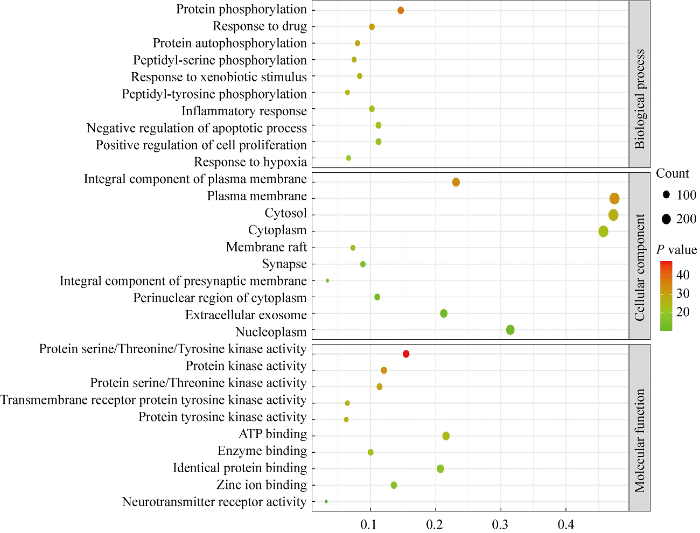
为了研究39种化合物对应的潜在靶点的生物学功能,进行了GO富集分析,以FDR<0.05,P<0.05为筛选条件,共筛选得到847条GO富集结果,其中生物过程(biological process, BP) 588条结果,主要包括蛋白质磷酸化、负调控凋亡过程、炎症反应和药物反应等;细胞组成(cellular component, CC) 70条结果,主要包括胞质、核浆、质膜和膜筏等;分子功能(molecular function, MF)189条结果,主要包括ATP结合、蛋白结合、酶结合、锌离子结合和蛋白激酶活性等。选取前10条GO条目进行可视化处理(图2)。
图2
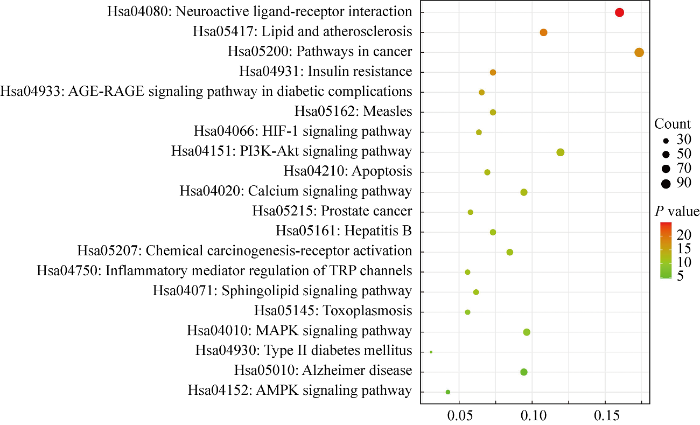
为了进一步分析桑黄类真菌中化合物潜在靶点涉及到的生物通路,进行了KEGG通路富集分析,以FDR<0.05,P<0.05为筛选条件,共筛选得到165条通路,并选择TOP20的KEGG通路绘制成气泡图(图3)。图中圆点越大,表明富集到的基因数目越多,圆点的颜色越红,表明校正P值越小。TOP20的通路主要包括癌症通路、神经活动配体-受体相互作用通路、胰岛素抵抗通路、AGE-RAGE信号通路、PI3K-Akt信号通路、乙型肝炎通路、MAPK信号通路、阿尔茨海默病通路和AMPK信号通路等。这些通路是与炎症、肝癌、糖尿病、阿尔茨海默病和衰老相关的通路,说明桑黄类真菌中的39种化合物可能对于这些疾病具有潜在的治疗效果。另外,分析发现存在着一个基因参与多个通路的现象,这也表明不同的通路之间存在相关性。
图3
2.3 桑黄类真菌抗病靶点
根据2.2中KEGG通路富集的结果,结合对于桑黄类真菌抗病的报道,探究这39种化合物对炎症、糖尿病、肝癌、衰老和阿尔茨海默病这5种疾病的功效是十分有必要的。在OMIM、Disease和GeneCard数据库共收集1 029个炎症相关靶点;3 398个糖尿病相关靶点;970个衰老相关靶点;肝癌相关靶点3 111个;4 367个阿尔茨海默病相关靶点,去重后疾病合集共7 988个相关靶点,与化合物的潜在靶点取交集,将交集靶点视为抗病靶点,结果有114个抗炎靶点、309个糖尿病靶点、121个抗衰老靶点、284个抗肝癌靶点和374个抗阿尔茨海默病靶点,去重后共486个抗病靶点,存在着不同疾病有共同靶点的情况(图4)。因此,化合物可能能够通过一个靶点调控多种疾病。
图4
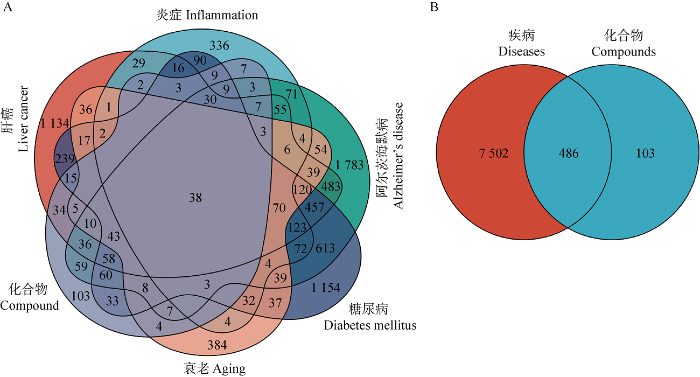
图4
化合物疾病韦恩图
A:化合物与炎症、糖尿病、衰老、肝癌及阿尔茨海默病相关靶点韦恩图. B:化合物与疾病合集相关靶点韦恩图
Fig. 4
Venn diagram of compounds and diseases.
A: Venn diagram of compound targets associated with inflammation, diabetes mellitus, aging, liver cancer, and Alzheimerʾs disease. B: Venn diagram of aggregation related targets of compounds and diseases.
2.4 蛋白质相互作用(PPI)网络的构建及关键靶点的筛选
为了从486个潜在的抗病靶点中筛选出关键基因,将其上传至STRING数据库,构建PPI网络(图5)。该网络展示了靶点蛋白之间的相互作用关系,包含486个节点和1 964条边。网络中的节点表示靶点蛋白,边代表蛋白与蛋白之间的相互作用关系,不同颜色的边代表蛋白之间相互作用的类型不同,两个蛋白之间的边越多则代表蛋白与蛋白之间的相互作用越强。另外,一个蛋白与其他蛋白之间的连线越多则代表这个蛋白在网络中的作用越重要(Szklarczyk et al. 2019)。将STRING数据库预测的基因相互作用的网络图导入Cytoscape3.9.0软件,利用Cytohubba插件筛选关键的潜在靶点,Cytohubba作为Cytoscape中的内置插件,有11种基于最短路径的拓扑分析方法,其中最大集团中心度(maximal clique centrality, MCC)算法已被证实是预测重要靶点较为准确的方法(宋厚盼等 2021)。选择“MCC”算法下排名前10的靶点即桑黄类真菌化合物抗病的关键靶点,即JAK1、JAK2、JAK3、LCK、MAPK1、MAPK3、PTPN11、STAT1、STAT3和STAT5B,并构建桑黄化合物抗病的关键子网络(图6),这些靶点在PPI网络中发挥着重要的作用。
图5
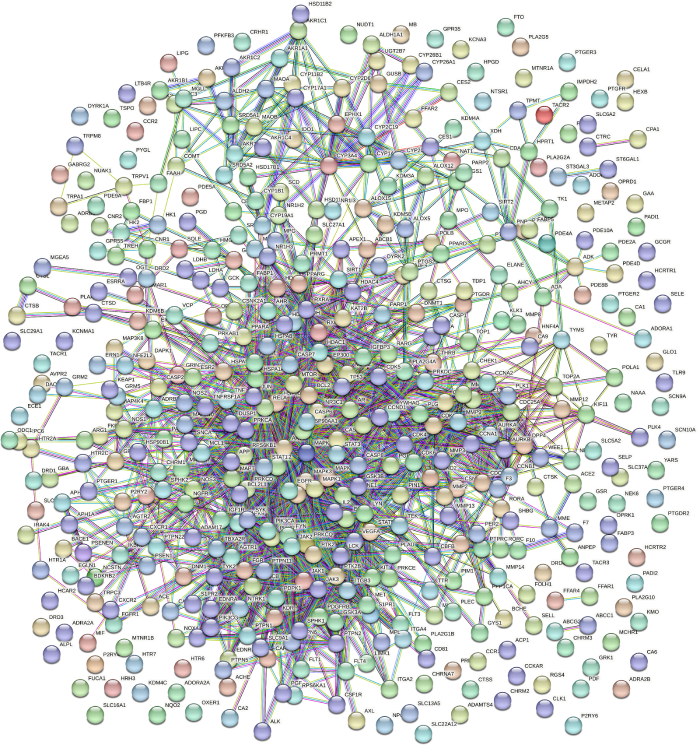
图5
化合物与疾病相关靶点的相互作用网络
Fig. 5
Network of interactions between compounds and disease-related targets.
图6
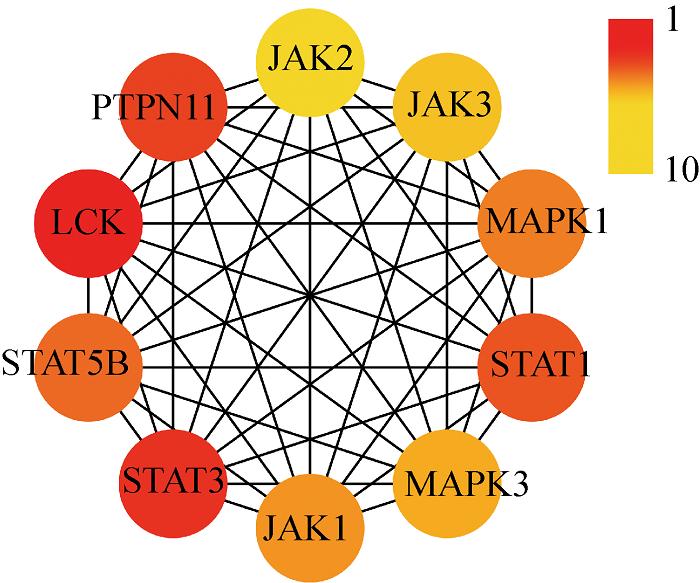
图6
与疾病密切相关的核心子网络
节点颜色越红代表MCC算法下排名越高
Fig. 6
Core subnetworks closely associated with disease.
Nodes with higher ranking under MCC are redder in color.
2.5 桑黄类真菌-化合物-关键靶点-5种疾病网络的构建分析
利用Cytocape3.9.0软件,构建桑黄类真菌-化合物-关键靶点-5种疾病的网络图(图7),该网络中包含5种桑黄类真菌、12个化合物,10个关键靶点以及5种疾病之间的相互作用,粉色节点代表5种桑黄类真菌,橘色网络节点表示12个化合物,蓝色网络节点表示关键靶点基因,绿色节点表示5种疾病。通过网络图可以看出,4-vinylphenol、caffeic acid、denudatin B、herniarin、naringenin和scopolin在这5种桑黄类真菌中均存在,dibutyl phthalate只在裂蹄木层孔中没有,syringate只在粗毛纤孔菌中没有,4-(3,4-dihydroxyphenyl)- 3-butene-2-one存在于黑盖木层孔菌、栎木桑黄和鲍姆桑黄中,isopimaric acid只存在于栎木桑黄、裂蹄木层孔菌和粗毛纤孔菌中,而sternbin和phellibaumin A只存在于栎木桑黄中。并且分析发现,存在一种疾病与多个靶点相关,以及一种化合物作用于多个靶点的现象,说明这些化合物对疾病的治疗效果可能不是通过单一靶点起作用,而是通过作用于多个靶点实现的。
图7
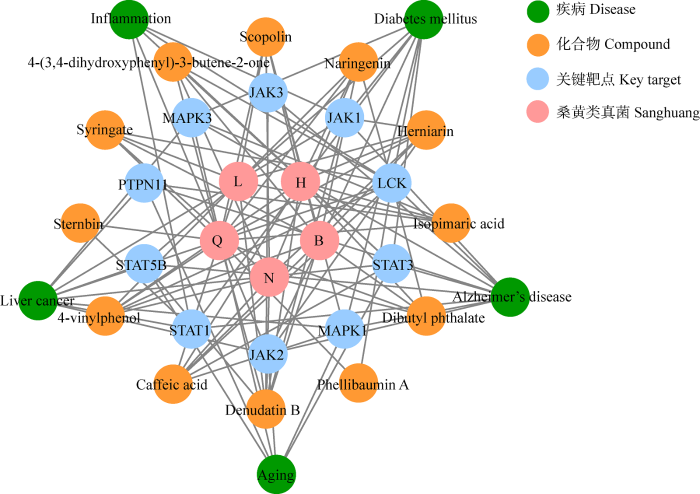
图7
桑黄类真菌-化合物-关键靶点-5种疾病网络图
Fig. 7
Network diagram of “sanghuang”-compounds-key targets-five diseases.
2.6 关键靶点的分子对接
桑黄类真菌中的化合物可能通过上述分析的这些关键靶点发挥抗病的药理活性。将2.5中的10个关键靶点作为对接靶蛋白,2.5中的桑黄类真菌化合物为对接小分子进行分子对接验证,将分子对接结果用热图表示(图8)。结合能可以评估化合物与对接靶蛋白的结合能力,结合能<0,表示化合物与对接靶蛋白可发生自由结合,结合能<−5,则表示化合物与对接靶蛋白结合性较好。在分子对接中,结合能越小说明对接效果越好,结合能越小两者越容易发生相互作用。对接结果表明,桑黄类真菌中的这些化合物大多都能与对接靶蛋白自由结合,其中isopimaric acid与多个对接靶蛋白均具有良好的结合活性,isopimaric acid与靶点MAPK1结合最好。借助UCSF Chimera 1.17软件将结合活性较好的对接结果进行可视化分析(图9)。
图8
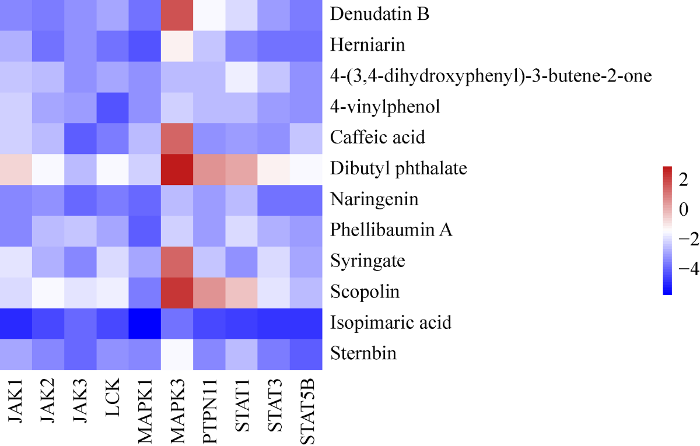
图9
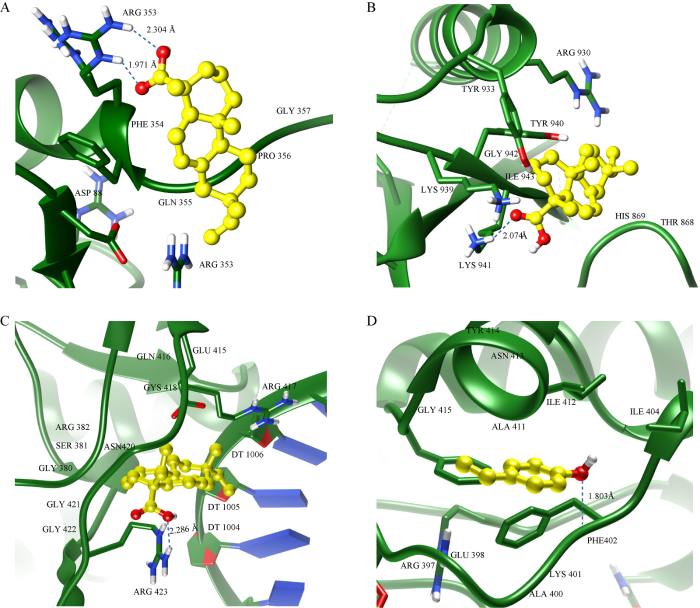
图9
部分成分与关键靶蛋白的对接示意图
A:异海松酸-MAPK1. B:异海松酸-JAK1. C:异海松 酸-STAT3. D:4-乙烯基苯酚-LCK
Fig. 9
Schematic diagram of the docking process between partial ingredients to key proteins.
A: Isopimaric acid-MAPK1. B: Isopimaric acid-JAK1. C: Isopimaric acid-STAT3. D: 4-vinylphenol-LCK.
3 讨论
本研究汇总了鲍姆桑黄、栎木桑黄、粗毛纤孔菌、裂蹄木层孔菌和黑盖木层孔菌5种桑黄类真菌中的活性成分,经筛选后得到桑黄类真菌中39种有效成分,对应的潜在靶点588个。对39种有效成分的潜在靶点进行KEGG通路富集分析,桑黄类真菌中的化合物可能通过神经活动配体-受体相互作用通路、胰岛素抵抗通路、AGE-RAGE信号通路、PI3K-Akt信号通路、乙型肝炎通路、MAPK信号通路、阿尔茨海默病通路和AMPK信号通路等发挥作用。研究表明,PI3K-Akt信号通路是细胞内的重要信号通路之一,它在多种肿瘤发生发展的过程中都起着重要的作用(黄秀兰等 2008),另外它还是胰岛素的主要下游分子通路(迟毓婧等 2010)。MAPK信号通路存在于大多数细胞内,MAPK信号通路在细胞的增殖、分化、凋亡、自噬以及细胞周期阻滞中发挥着重要的作用(Zhang & Liu 2002),它与炎症(Sujitha & Rasool 2017;Aziz et al. 2018)、癌症(Zhao et al. 2015)的发生密切相关。另外,有研究表明,AMPK信号通路的激活与活性氧密切相关,而被激活的AMPK信号通路会抑制胰岛素的正常信号通路,发生胰岛素抵抗(张景怡等 2017),另外,AMPK信号通路也与衰老息息相关(Burkewitz et al. 2014)。通过对桑黄类真菌的39种有效成分KEGG通路的富集分析,结果说明这39种有效成分的潜在靶点主要分布在与炎症、糖尿病、肝癌、阿尔茨海默病和衰老相关的通路上。因此,本研究利用OMIM、Disgenet、GeneCard和HAGR数据库汇总了炎症、糖尿病、肝癌、阿尔茨海默病和衰老的靶点,并与39种化合物的588个潜在靶点进行覆盖分析,得到486个交集靶点,将这486个靶点视为桑黄类真菌的抗病靶点,通过STRING网站进行PPI分析,后筛选出关键靶点,即LCK、STAT3、PTPN11、STAT1、STAT5B、MAPK1、JAK1、MAPK3、JAK3和JAK2,并构建了关键子网络。
将5种疾病和筛选得到的关键靶蛋白与对应的有效成分及5种桑黄类真菌构建网络图,筛选得到的有效成分包括denudatin B、herniarin、4-(3,4-dihydroxyphenyl)-3-butene-2-one、4-乙烯基苯酚(4-vinylphenol)、咖啡酸(caffeic acid)、dibutyl phthalate、柚皮素(naringenin)、phellibaumin A、丁香酸(syringate acid)、东莨菪苷(scopolin)、异海松酸(isopimaric acid)和sternbin。其中,denudatin B属于苯并呋喃类化合物,herniarin和scopolin属于香豆素类化合物,酚类化合物包括4-vinylphenol、4-(3,4-dihydroxyphenyl)-3-butene-2-one、caffeic acid、naringenin、phellibaumin A和syringate,还有sternbin和isopimaric acid是二萜类化合物。筛选得到的关键靶蛋白中,MAPK1即丝裂原活化蛋白激酶1,它是MAPK信号通路中的效应因子,在细胞增殖和凋亡中发挥重要的作用,筛选结果表明MAPK1是糖尿病、阿尔茨海默病、肝癌和衰老的共同靶点,研究表明它还是类风湿性关节炎的有效靶点(Sujitha & Rasool 2017)。STAT3即信号转导和转录激活蛋白3,属于这5种疾病共有的靶点,STAT3是一种潜在的胞质转录因子,将信号从细胞膜直接传递到细胞核。另外,现代医学治疗癌症采用的化疗手段目的多是启动细胞的凋亡,而STAT3介导抗凋亡基因的表达,从而抑制细胞的凋亡。因此STAT3是癌症与炎症的重要靶点(Fletcher et al. 2009)。JAK1即Janus激酶-1是Janus激酶家族成员之一,Janus激酶家族是一个非受体酪氨酸激酶家族,与自身免疫性疾病和恶性肿瘤有关(Kleppe et al. 2015;Schwartz et al. 2016)。JAK1是炎症、糖尿病、阿尔茨海默病和肝癌的共同靶点,研究表明,JAK1是特应性皮炎(Ferreira et al. 2020)和乳腺癌治疗的关键靶点(Chen et al. 2019)。通过对桑黄-化合物-靶点-疾病的互作网络分析以及桑黄类真菌化合物的潜在靶点的富集分析可知,化合物可以通过多个靶点多条通路对疾病产生潜在的治疗效果,这也符合疾病的治疗由多靶点共同作用这一观点。
分子对接结果表明,在筛选得到的有效成分中,除了存在于5种桑黄类真菌中的denudatin B、caffeic acid和scopolin以及存在于栎木桑黄、鲍姆桑黄、裂蹄木层孔菌和黑盖木层孔菌中的syringate和存在于栎木桑黄、鲍姆桑黄、黑盖木层孔菌和粗毛纤孔菌中的dibutyl phthalate与部分靶点无法自发结合(图8),其他化合物都可以自发与受体蛋白结合,其中异海松酸与MAPK1的结合能力最好。异海松酸存在于栎木桑黄、裂蹄木层孔菌和粗毛纤孔菌中,分子对接结果显示,异海松酸通过与MAPK1的ARG-353残基形成2个氢键,与JAK1的LYS-941残基形成氢键,与STAT3的ARG-423残基形成氢键。4-乙烯基苯酚存在于栎木桑黄、黑盖木层孔菌、裂蹄木层孔菌、鲍姆桑黄和粗毛纤孔菌中,4-乙烯基苯酚通过与LCK的PHE-402残基形成氢键。分子对接结果表明这5种桑黄类真菌中的多个活性成分与关键靶蛋白结合活性较好,这些关键靶蛋白存在于多种疾病的通路上,因此,桑黄类真菌中的活性成分可能通过这些关键靶点对疾病具有治疗作用。
综上所述,本研究基于网络药理学的方法对5种桑黄类真菌潜在靶点的富集通路进行分析,结合文献,筛选桑黄类真菌中的抗病关键靶点。结果共筛选到39种化合物,588个潜在靶点,桑黄类真菌抗炎、抗糖尿病、抗肝癌、抗阿尔茨海默病、抗衰老的靶点共486个,关键靶点有LCK、STAT3、PTPN11、STAT1、STAT5B、MAPK1、JAK1、MAPK3、JAK3和JAK2。桑黄类真菌中有12个有效成分几乎都可以与这些关键靶点产生相互作用,其中酚类化合物居多,此外存在于栎木桑黄、裂蹄木层孔菌和粗毛纤孔菌中的二萜类化合物异海松酸与MAPK1结合活性最好。通过比较发现5种桑黄类真菌中的化合物多数均能与关键靶点相互作用,因此这些桑黄类真菌都是具有研究价值的药用菌。本研究从网络药理学和分子对接的层面研究了5种桑黄类真菌对于炎症、糖尿病、肝癌、阿尔茨海默病和衰老的抑制作用,结果显示5种桑黄类真菌可以通过多种化合物、多种靶点和多种途径起到抗病的作用,本研究为探索桑黄类真菌治疗和预防疾病潜在机制提供了理论基础。
参考文献
OMIM.org: Online Mendelian Inheritance in Man (OMIM®), an online catalog of human genes and genetic disorders
Anti-inflammatory effects of luteolin: a review of in vitro, in vivo, and in silico studies
DOI:S0378-8741(17)33457-8
PMID:29801717
[本文引用: 1]

Luteolin (3', 4', 5,7-tetrahydroxyflavone) has been identified as commonly present in plants. Plants with a high luteolin content have been used ethnopharmacologically to treat inflammation-related symptoms. Both isolated luteolin and extracts from luteolin-rich plants have been studied using various models and exhibited anti-inflammatory activity.This paper uses recent research findings with a broad range of study models to describe the anti-inflammatory activity of luteolin, particularly its mechanisms at the molecular level; provide guidance for future research; and evaluate the feasibility of developing luteolin into an anti-inflammatory drug.We summarize reports about the anti-inflammatory activity of luteolin published since 2009, which we found in MEDLINE/PubMed, Scopus, Web of Knowledge, and Google Scholar. To acquire broad information, we extended our search to online FDA documents.Luteolin is a flavonoid commonly found in medicinal plants and has strong anti-inflammatory activity in vitro and in vivo. Some of its derivatives, such as luteolin-7-O-glucoside, have also shown anti-inflammatory activity. The action mechanism of luteolin varies, but Src in the nuclear factor (NF)-κB pathway, MAPK in the activator protein (AP)- 1 pathway, and SOCS3 in the signal transducer and activator of transcription 3 (STAT3) pathway are its major target transcription factors. A clinical trial with a formulation containing luteolin showed excellent therapeutic effect against inflammation-associated diseases.In silico, in vitro, in vivo, and clinical studies strongly suggest that the major pharmacological mechanism of luteolin is its anti-inflammatory activity, which derives from its regulation of transcription factors such as STAT3, NF-κB, and AP-1. Much work remains to ensure the safety, quality, and efficacy of luteolin before it can be used to treat inflammation-related diseases in humans.Copyright © 2018 Elsevier B.V. All rights reserved.
Supplementary textual research on “sanghuang”
UniProt: a worldwide hub of protein knowledge
AMPK at the nexus of energetics and aging
DOI:10.1016/j.cmet.2014.03.002
PMID:24726383
[本文引用: 1]
When energy supply is low, organisms respond by slowing aging and increasing resistance to diverse age-related pathologies. Targeting the mechanisms underpinning this response may therefore treat multiple disorders through a single intervention. Here, we discuss AMP-activated protein kinase (AMPK) as an integrator and mediator of several pathways and processes linking energetics to longevity. Activated by low energy, AMPK is both prolongevity and druggable, but its role in some pathologies may not be beneficial. As such, activating AMPK may modulate multiple longevity pathways to promote healthy aging, but unlocking its full potential may require selective targeting toward substrates involved in longevity assurance. Copyright © 2014 Elsevier Inc. All rights reserved.
JAK1 as a prognostic marker and its correlation with immune infiltrates in breast cancer
DOI:10.18632/aging.102514 URL [本文引用: 1]
Traditional uses, fermentation, phytochemistry and pharmacology of Phellinus linteus: a review
DOI:10.1016/j.fitote.2016.06.009
PMID:27343366
[本文引用: 1]
Medicinal mushroom Phellinus linteus ("Sanghuang" in Chinese, ) is a famous fungus which is widely used in China, Korea, and other Asian countries. As a traditional Chinese medicine with a 2000-year long history, medicinal applications of Phellinus linteus mainly include treating hemorrhage, hemostasis and diseases related to female menstruation according to Chinese clinical empirical practice. A number of studies reported Phellinus linteus possessed good therapeutic effects on various ailments including tumor, diabetes, inflammation, obesity, etc. The present paper comprehensively reviewed the traditional uses, fermentation, constituent and pharmacology of Phellinus linteus based on scientific literature as well as critical analysis of the research. This review aimed to provide latest information and new foundations and directions for further investigations on Phellinus linteus. All available information about Phellinus linteus was supplied by library database and electronic search (CNKI, Google Scholar, ScienceDirect, Web of Science, PubMed, etc.). Some local and ancient books as well as brilliant scholars were also important information resources. Improvement of fermentation techniques promoted the production of Phellinus linteus. Studies of constituents showed the main chemical composition of Phellinus linteus included polysaccharides, flavones, triterpenes, aromatic acids, amino acids, etc. and polysaccharides were found to account for the largest proportion. Pharmacological researches revealed Phellinus linteus possessed a variety of biological activities including anti-cancer, immuno-regulation, anti-diabetes, anti-oxidation and anti-inflammation. Based on these summarized information, this review was presented to provide helpful references and beneficial directions for future studies of Phellinus linteus. Copyright © 2016 Elsevier B.V. All rights reserved.
Resent advances in bioactive metabolites from “sanghuang” mushrooms
Study on the potential active components and molecular mechanism of Xiao Huoluo Pills in the treatment of cartilage degeneration of knee osteoarthritis based on bioinformatics analysis and molecular docking technology
DOI:10.1186/s13018-020-02056-z URL [本文引用: 1]
PI3K/Akt Signaling axis in regulation of glucose homeostasis
DAVID: database for annotation, visualization, and integrated discovery
A combined phytochemistry and network pharmacology approach to reveal the potential antitumor effective substances and mechanism of Phellinus igniarius
DOI:10.3389/fphar.2019.00266
PMID:30941044
[本文引用: 1]
() is a medicinal fungus that is widely used in East Asia for the adjuvant treatment of cancer. To elucidate the antitumor effective substances and mechanism of, we designed an approach incorporating cytotoxicity screening, phytochemical analysis, network pharmacology construction, and cellular and molecular experiments. The dichloromethane extract of (DCMPI) was identified as the active portion in HT-29 cells. Nineteen constituents were identified, and 5 were quantified by UPLC-ESI-Q/TOF-MS. Eight ingredients were obtained in the network pharmacology study. In total, 473 putative targets associated with DCMPI and 350 putative targets related to colon cancer were derived from online databases and target prediction tools. Protein-protein interaction networks of drug and disease putative targets were constructed, and 84 candidate targets were identified based on topological features. Pathway enrichment analysis showed that the candidate targets were mostly related to reactive oxygen species (ROS) metabolic processes and intrinsic apoptotic pathways. Then, a cellular experiment was used to validate the drug-target mechanisms predicted by the system pharmacology analysis. Experimental results showed that DCMPI increased intracellular ROS levels and induced HT-29 cell apoptosis. Molecular biology experiments indicated that DCMPI not only increased Bax and Bad protein expression and promoted PARP and caspase-3/9 cleavage but also down-regulated Bcl-2 and Bcl-xl protein levels to induce apoptosis in HT-29 cells. In conclusion, our study provides knowledge on the chemical composition and antitumor mechanism of, which may be exploited as a promising therapeutic option for colon cancer.
Analyses of potential mechanism of Chinese cordyceps in treating renal fibrosis based on network pharmacology and molecular docking
Selective JAK 1 inhibitors for the treatment of atopic dermatitis: focus on upadacitinib and abrocitinib
DOI:10.1007/s40257-020-00548-6 URL [本文引用: 1]
Molecular disruption of oncogenic signal transducer and activator of transcription 3 (STAT3) protein
DOI:10.1139/o09-044
PMID:19935868
[本文引用: 1]
Signal transducer and activator of transcription protein 3 (STAT3) is a latent cytosolic transcription factor that is widely recognized as being a master regulator of the cellular functions that lead to the cancer phenotype. Constitutively activated STAT3 protein activity is routinely observed in human cancers, promoting uncontrolled cell proliferation and suppressing apoptosis. Until relatively recently, inhibition of STAT3 transcriptional activity was achieved indirectly via suppression of upstream kinase activators and extracellular cytokine and (or) growth factor stimuli. However, activated STAT3 forms transcriptionally functional STAT3-STAT3 dimers, providing a valid juncture for targeted downstream molecular inhibition. STAT3's prominent role in cancer has seen a decade of innovative and novel approaches to targeting constitutively active STAT3 protein-protein complexes. This mini-review outlines the progress made towards identifying molecular agents capable of silencing aberrant STAT3 signalling through the disruption of STAT3 complexation events.
SwissTargetPrediction: a web server for target prediction of bioactive small molecules
Comparative analysis of chemical composition of fruiting bodies of Inonotus hispidus in different growth periods
A comparative study on in vitro antitumor activities of the medicinal fungus Sanghuangprous baumii cultivated in different substrates
Research progress on the relationship between PI3K-Akt signaling pathway and tumor cell apoptosis
Using AutoDock 4 and AutoDock vina with AutoDockTools: a tutorial
A comprehensive application: molecular docking and network pharmacology for the prediction of bioactive constituents and elucidation of mechanisms of action in component-based Chinese medicine
DOI:10.1016/j.compbiolchem.2020.107402 URL [本文引用: 1]
JAK-STAT pathway activation in malignant and nonmalignant cells contributes to MPN pathogenesis and therapeutic response JAK-STAT pathway activation in malignant and nonmalignant cells in MPN
DOI:10.1158/2159-8290.CD-14-0736
PMID:25572172
[本文引用: 1]
The identification of JAK2/MPL mutations in patients with myeloproliferative neoplasms (MPN) has led to the clinical development of JAK kinase inhibitors, including ruxolitinib. Ruxolitinib reduces splenomegaly and systemic symptoms in myelofibrosis and improves overall survival; however, the mechanism by which JAK inhibitors achieve efficacy has not been delineated. Patients with MPN present with increased levels of circulating proinflammatory cytokines, which are mitigated by JAK inhibitor therapy. We sought to elucidate mechanisms by which JAK inhibitors attenuate cytokine-mediated pathophysiology. Single-cell profiling demonstrated that hematopoietic cells from myelofibrosis models and patient samples aberrantly secrete inflammatory cytokines. Pan-hematopoietic Stat3 deletion reduced disease severity and attenuated cytokine secretion, with similar efficacy as observed with ruxolitinib therapy. In contrast, Stat3 deletion restricted to MPN cells did not reduce disease severity or cytokine production. Consistent with these observations, we found that malignant and nonmalignant cells aberrantly secrete cytokines and JAK inhibition reduces cytokine production from both populations.Our results demonstrate that JAK-STAT3-mediated cytokine production from malignant and nonmalignant cells contributes to MPN pathogenesis and that JAK inhibition in both populations is required for therapeutic efficacy. These findings provide novel insight into the mechanisms by which JAK kinase inhibition achieves therapeutic efficacy in MPNs.©2015 American Association for Cancer Research.
Cytoscape: software for visualization and analysis of biological networks
DOI:10.1007/978-1-60761-987-1_18
PMID:21063955
[本文引用: 1]
Substantial progress has been made in the field of "omics" research (e.g., Genomics, Transcriptomics, Proteomics, and Metabolomics), leading to a vast amount of biological data. In order to represent large biological data sets in an easily interpretable manner, this information is frequently visualized as graphs, i.e., a set of nodes and edges. Nodes are representations of biological molecules and edges connect the nodes depicting some kind of relationship. Obviously, there is a high demand for computer-based assistance for both visualization and analysis of biological data, which are often heterogeneous and retrieved from different sources. This chapter focuses on software tools that assist in visual exploration and analysis of biological networks. Global requirements for such programs are discussed. Utilization of visualization software is exemplified using the widely used Cytoscape tool. Additional information about the use of Cytoscape is provided in the Notes section. Furthermore, special features of alternative software tools are highlighted in order to assist researchers in the choice of an adequate program for their specific requirements.
Hispidin isolated from Phellinus linteus protects against hydrogen peroxide-induced oxidative stress in pancreatic MIN6N β-cells
DOI:10.1089/jmf.2010.1493
PMID:22003875
[本文引用: 1]
Reactive oxygen species (ROS) have been shown to cause DNA damage, protein denaturation, loss of antioxidative enzyme activity, and lipid peroxidation. Thus, ROS are associated with tissue damage and are considered to be prime contributing factors in inflammation, diabetes, aging, and cancer. In this study, we investigated whether or not hispidin protects pancreatic MIN6N β-cells from oxidative stress caused by hydrogen peroxide. Treatment of MIN6N β-cells with 0.5 mM hydrogen peroxide for 4 hours caused significant loss of cell viability and an increase in the number of apoptotic cells. However, pretreatment of MIN6N β-cells with hispidin for 24 hours reduced loss of cell viability and decreased the number of apoptotic cells. In addition, 70 μM hispidin significantly scavenged intracellular ROS and inhibited apoptosis and caspase-3 induced by hydrogen peroxide. Furthermore, the generation of thiobarbituric acid-reactive substances was inhibited in the presence of hispidin in a dose-dependent manner. Also, 70 μM hispidin significantly increased insulin secretion in hydrogen peroxide-treated MIN6N β-cells. These results suggest that hispidin may be effective for protecting MIN6N β-cells from ROS toxicity in diabetes.
Research advances on chemical constituents and pharmacological effects of “sanghuang” Inonotus hispidus
Anti-inflammatory activity of Sanghuangporus sanghuang mycelium
DOI:10.3390/ijms18020347 URL [本文引用: 1]
Evaluation of antioxidant, anti-inflammatory and anti-proliferative activities of ethanol extracts from different varieties of Sanghuang species
DOI:10.1039/C6RA27198G URL [本文引用: 1]
FAF-Drugs: free ADME/tox filtering of compound collections
DOI:10.1093/nar/gkl065 URL [本文引用: 1]
Review on CambridgeSoft ChemBioDraw Ultra 13.0 v
UCSF Chimera—a visualization system for exploratory research and analysis
DOI:10.1002/jcc.20084
PMID:15264254
[本文引用: 1]
The design, implementation, and capabilities of an extensible visualization system, UCSF Chimera, are discussed. Chimera is segmented into a core that provides basic services and visualization, and extensions that provide most higher level functionality. This architecture ensures that the extension mechanism satisfies the demands of outside developers who wish to incorporate new features. Two unusual extensions are presented: Multiscale, which adds the ability to visualize large-scale molecular assemblies such as viral coats, and Collaboratory, which allows researchers to share a Chimera session interactively despite being at separate locales. Other extensions include Multalign Viewer, for showing multiple sequence alignments and associated structures; ViewDock, for screening docked ligand orientations; Movie, for replaying molecular dynamics trajectories; and Volume Viewer, for display and analysis of volumetric data. A discussion of the usage of Chimera in real-world situations is given, along with anticipated future directions. Chimera includes full user documentation, is free to academic and nonprofit users, and is available for Microsoft Windows, Linux, Apple Mac OS X, SGI IRIX, and HP Tru64 Unix from http://www.cgl.ucsf.edu/chimera/.Copyright 2004 Wiley Periodicals, Inc.
DisGeNET: a comprehensive platform integrating information on human disease-associated genes and variants
DOI:10.1093/nar/gkw943 URL [本文引用: 1]
Type Ⅰ/Ⅱ cytokines, JAKs, and new strategies for treating autoimmune diseases
DOI:10.1038/nrrheum.2015.167 URL [本文引用: 1]
Construction of regulatory network of key genes in gastric cancer and screening of active components of traditional Chinese medicine for targeted therapy
In-silico human genomics with GeneCards
DOI:10.1186/1479-7364-5-1-1 URL [本文引用: 1]
MicroRNAs and bioactive compounds on TLR/MAPK signaling in rheumatoid arthritis
DOI:S0009-8981(17)30323-6
PMID:28842173
[本文引用: 2]
Rheumatoid arthritis (RA) is a chronic autoimmune mediated joint disease with severe complications affecting 1% of the population worldwide. Although the exact mechanism underlying the aggravation of RA remains unknown, its occurrence can lead to joint degradation and functional disability. Recent evidences have shown that the aberrant expression of microRNAs (miRNAs) play a prominent role in the furtherance of RA. Over the last decade, various intensive studies have validated different microRNAs to be good candidates for diagnostic purposes and for monitoring the disease progression in various inflammatory diseases. A deeper understanding of the molecular mechanism through which miRNAs amplify the production of inflammatory cytokines (TNF-α, IL-1β, IL-6, and IL-17), pro-inflammatory mediators, growth factors and MMPs will act as potential therapeutic targets. More importantly, several studies have briefly reported the crucial role of TLR dependent MAPK signaling pathway, which mediates the pathological features of RA. In this review, we summarize the recent findings and provide a detailed report of the molecular mechanism of microRNA along with the role of TLR/MAPK signaling pathway in RA. However, the major aim of this review is to correlate the aberrantly expressed microRNAs in TLR/MAPK pathway with various well reported bioactive compounds that can modulate these signaling pathways in rheumatoid arthritis. Targeting miRNA expression using specific bioactive compounds might be a potent and an effective target in RA treatment by suppressing the TLR/MAPK pathway.Copyright © 2017 Elsevier B.V. All rights reserved.
Chemical structure and anti-inflammatory activity of a branched polysaccharide isolated from Phellinus baumii
DOI:10.1016/j.carbpol.2021.118214 URL [本文引用: 1]
Protein Data Bank (PDB): database of three-dimensional structural information of biological macromolecules
DOI:10.1107/S0907444998009378 URL [本文引用: 1]
STRING v11: protein-protein association networks with increased coverage, supporting functional discovery in genome-wide experimental datasets
Human Ageing Genomic Resources: integrated databases and tools for the biology and genetics of ageing
Study on antitumor effect of petroleum ether extracts from fruiting body of six kinds of “sanghuang” on hepatoma H22 cell
Antitumor Effiect of solid state fermentation powder of Inonotus hispidus on H(22) bearing mice
PubChem: a public information system for analyzing bioactivities of small molecules
DOI:10.1093/nar/gkp456 URL [本文引用: 1]
Species clarification of the medicinal fungus Sanghuang
Sanghuangporus vitexicola sp. nov. (Hymenochaetales, Basidiomycota) from tropical Taiwan
DOI:10.11646/phytotaxa.475.1.4 URL
Antitumor Effect of water extracts from fruiting bodies of different “Sanghuang” fungi
Sanghuang industry in China: current status, challenges and perspectives — The Qiandao Lake declaration for sanghuang industry development
Phellinus baumii ethyl acetate extract alleviated collagen type Ⅱ induced arthritis in DBA/1 mice
DOI:10.1007/s11418-013-0752-5 URL [本文引用: 1]
Research progress of AMPK pathway in diabetic cardiomyopathy
MAPK signal pathways in the regulation of cell proliferation in mammalian cells
DOI:10.1038/sj.cr.7290105
PMID:11942415
[本文引用: 1]
MAPK families play an important role in complex cellular programs like proliferation, differentiation, development, transformation, and apoptosis. At least three MAPK families have been characterized: extracellular signal-regulated kinase (ERK), Jun kinase (JNK/SAPK) and p38 MAPK. The above effects are fulfilled by regulation of cell cycle engine and other cell proliferation related proteins. In this paper we discussed their functions and cooperation with other signal pathways in regulation of cell proliferation.
Platycodin-D induced autophagy in non-small cell lung cancer cells via PI3K/Akt/mTOR and MAPK signaling pathways
DOI:10.7150/jca.11291
PMID:26078792
[本文引用: 1]
Platycodin-D (PD) is an effective triterpene saponin extracted from the root of Platycodon grandiflorum which has been used clinically to treat pulmonary diseases in traditional Chinese medicine. Recently, it has been reported that PD has anti-tumor effects in various cancer models through the induction of apoptosis. However, whether PD induces autophagy in both cell lines and its molecular mechanisms have not been elucidated. Here, our present study confirmed that PD induced autophagy in both NCI-H460 and A549 cells via up-regulating the expression levels of Atg-3, Atg-7 and Beclin-1. Meanwhile, PD contributed to the up-regulation of LC3-II at both protein and mRNA levels. Further detection of the PI3K/Akt/mTOR signaling pathway compared to LY294002 (PI3K kinase inhibitor), RAP (mTOR kinase inhibitor) and insulin (an activator of PI3K/Akt/mTOR signaling pathway) showed that PD induced autophagy through inhibiting the pathway at p-Akt (Ser473), p-p70S6K (Thr389) and p-4EBP1 (Thr37/46) in both cell lines. Moreover, the examination of MAPK signaling pathway showed that PD treatment increased the phosphorylation of JNK and p38 MAPK, while decreased the phosphorylation of Erk1/2 in both cell lines. Additionally, the effects assessed with a panel of pharmacologic inhibitors, including U0126 (Erk1/2 kinase inhibitor), SP600125 (JNK kinase inhibitor) and SB203580 (p38 MAPK kinase inhibitor) suggested that the activation of JNK and p38 MAPK participated in PD-induced autophagy. Taken together, these findings suggested that PD induced autophagy in NCI-H460 and A549 cells through inhibiting PI3K/Akt/mTOR signaling pathway and activating JNK and p38 MAPK signaling pathways. Therefore, PD may be an alternative compound for NSCLC therapy.
基于网络药理学和分子对接技术探讨冬虫夏草治疗肾纤维化的潜在作用机制
不同发育时期粗毛纤孔菌子实体化学成分对比分析
胃癌发病关键基因调控网络构建及其靶向治疗中药活性成分筛选研究
不同“桑黄”类真菌水提取物的抗肿瘤活性研究
DOI:10.13560/j.cnki.biotech.bull.1985.2018-0145
[本文引用: 1]
用H<sub>22</sub>荷瘤小鼠对6种“桑黄”类真菌的水提取物进行了抗肿瘤活性研究。结果表明,除鲍姆木层孔菌水提取物低剂量组外,粗毛纤孔菌、椭圆嗜蓝孢孔菌、山野木层孔菌的水提取物高、低剂量组以及火木层孔菌、鲍姆木孔菌、瓦尼木层孔菌的水提取物高剂量组均具有显著抑瘤作用,抑瘤率均大于40%,其中;椭圆嗜蓝孢孔菌水提取物高剂量组(1 000 mg/kg)的抑瘤效果最佳。与阳性组和生理盐水组相比,粗毛纤孔菌高剂量组小鼠的胸腺指数均有极显著性差异(P<0.01),其余各组小鼠胸腺指数无显著性差异。6种“桑黄”类真菌水提取物均对提高小鼠肿瘤细胞中Bax的表达起到了促进作用;对Bcl-2的表达起到了抑制作用。