
Sanghuang, as a group of medicinal macrofungi recorded in ancient Chinese traditional medicine books, has many functions such as anti-tumor, reduction of blood suger, reduction of blood fat, anti-oxidation, and reduction of uric acid. Modern taxonomic studies have shown that sanghuang has high species diversity and widely distributed in different areas of China and other areas of north Hemisphere, growing in mulberry, poplar, clove, honeysuckle, northeast China ash, jujube, walnut and other broad-leaved trees. Sanghuang have been artificially cultivated in China since 1990s, and the species used for cultivation are mainly Sanghuangporus sanghuang, S. vaninii, S. baumii, and Inonotus hispidus. The scale of the sanghuang industry is progressively expanding, forming a health industry with high economic value and social benefits. In this paper, we summarized the current status of sanghuang industry in China, relating to the historical record, the change of classification status, the functional researches, production development, bottleneck problems and countermeasures. The problems existing in sanghuang industry development, and some recommendations for its future development in China are proposed.

Based on morphological and molecular data, a new species Sanghuangporus mongolicus T. Bau sp. nov. is described from Horqin sandy land, Inner Mongolia. Morphologically, it is characterized by perennial, semicircular basidiomata with thin edges, a dimitic hyphal system, and elliptic to broadly elliptic, thick-walled basidiospores measuring 4.2-5×2.7-3.5 μm. The ITS and nrLSU phylogeny shows that Sanghuangporus mongolicus belongs to Sanghuangporus and forms an independent clade. Illustrated description and taxonomic discussion of this new species is given.

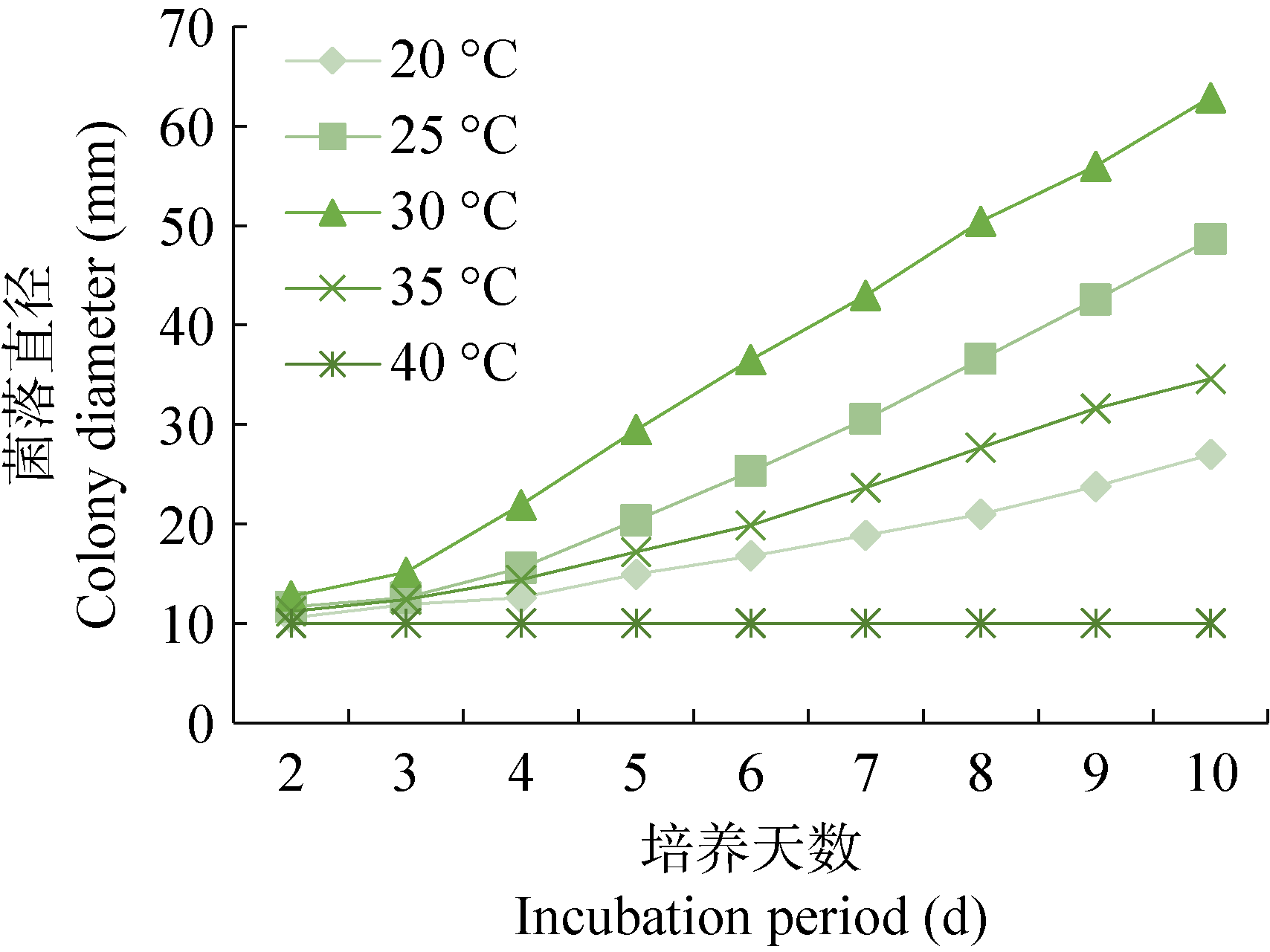
A Phellinus orientoasiaticus strain was isolated from basidiomata collected in Shunping County of Hebei Province. The biological characteristics and domestication of this strain were studied. Temperature, initial pH, nitrogen and carbon source were optimized in single factor test. Three optimal levels of four optimal factors were selected for orthogonal experiment to achieve appropriate mycelial culture conditions. Single factor test showed that the optimum growth temperature, initial pH, carbon source, and nitrogen source were 30 °C, pH 5.0, soluble starch, and yeast extract respectively. The orthogonal test indicated that the best combination was temperature of 30 °C, initial pH of 5.0, nitrogen source of yeast extract, and carbon source of sucrose. The appropriate cultivation spawn formula for P. orientoasiaticus was 80% chestnut sawdust, 17% bran, 1% sucrose, 1% quicklime and 1% gypsum. Mycelia were sackful after 45-50 d of cultivation at 25 °C in dark. Primordia differentiated after 7-10 d under the temperature of 25-28 °C and relative air humidity of 90%-95%. The conditions for fruiting body growth stage were kept at temperature of 25-30 °C and relative air humidity of 90%-95%. Fruiting bodies can be harvested after 25-35 d of growth stage.

A wild strain of Sanghuangporus collected from Quanshuidong forest farm of Yanbian Korean Autonomous Prefecture in Jilin Province was identified as Sanghuangporus vaninii according to morphological and phylogenetic evidences. The effects of carbon and nitrogen source, pH value, and temperature on the mycelial growth of the wild strain were investigated by single factor test and optimized by orthogonal experiments. The results showed that the optimal carbon source and nitrogen source was sucrose and yeast extract powder respectively, the optimal pH was 5.0, and the optimal temperature was 29 °C. The domestic cultivation study of the wild strain was carried out, and the mycelial growth rate, primordium differentiation time, agronomic traits and yield of the strain were compared with those of domestically cultivated strains of S. vaninii, S. baumii and S. sanghuang. The comparison results showed that under the same culture conditions, the hyphae of the wild S. vaninii had the fastest growth rate and the best growth vigour; the primordia were rapidly differentiated. The agronomic traits showed excellent and high yielding. S. baumii showed the slowest in hyphal growth, and less in fruiting body yield. S. sanghuang comparatively grow fast but the yield of fruiting bodies was lowest. The wild strain of S. vaninii was named as SH14, and it might become a substitute for the current cultivars of S. vaninii.

Comparative studies of the effects of water extracts of wild Sanghuangporus sanghuang, cut-log cultivation Sanghuangporus vaninii, sack cultivation S. vaninii and sack cultivation Inonotus hispidus on the immune function of immunocompromised mice were carried out, and relationship between the polysaccharide content and the immunomodulatory efficacy of sanghuang fungi was clarified on the basis of analysis of polysaccharide content of the fungi. The experimental samples of the fungi were extracted by hot water, and then concentrated and freeze-dried to obtain the water extract. Cyclophosphamide was used to construct the immunosuppressive model in mice. After continuous administration for 21 days, the index of peripheral immune organs in mice, proliferative and transformed ability of spleen lymphocytes induced by ConA (concanavalinA) and LPS (lipopolysaccharide), and the content of TNF-α and IL-2 in serum were determined, and the influence of water extract of different varieties and cultivation methods of sanghuang fungi on the immune function of mice was comparatively examined to explore the relationship between the content of polysaccharide and immunomodulatory efficacy of sanghuang fungi. The results showed that the water extracts of experimental samples of sanghuang fungi could regulate the immune function of immunocompromised mice to varying degrees, and improve the immune organ index, spleen lymphocyte proliferation and serum cytokine content of mice, of which the water extract of sack cultivation Inonotus hispidus had the strongest immunomodulatory effect. The results showed that the higher content of polysaccharide led to the better immunomodulatory effect on mice, and the immunomodulatory efficacy is positively correlated with the polysaccharide content. Polysaccharide of sanghuang fungi is the main material basis of the immunomodulatory function.
The biological characteristics and antioxidant activities of a wild strain of medicinal mushroom Inonotus hispidus were studied. Four single factor test of culture temperature, initial pH, carbon source and nitrogen source, concludes that the optimum culture for solid culture of I. hispidus is 30 °C, initial pH 9.0, carbon and nitrogen sources are sucrose and yeast powder. The L9 (33) 3 factor 3 level orthogonal test was used to further study the optimal combination of carbon source content, nitrogen source content and initial pH for solid culture. The results showed that the influence extent to the growth rate of hypha was ordinally nitrogen source content>carbon source content>initial pH, and the optimal combination was sucrose 30 g/L, yeast extract 1 g/L, and initial pH 10.0. The antioxidant activities in the liquid culture of I. hispidus was determined. It was found that the content of polyphenol flavonoids was consistently maintained high level in the 14 days of liquid culture, and the scavenging efficiency of hydroxyl radical, DPPH radical, ABTS radical and ferric reducing antioxidant power were also strong, indicating that the wild Inonotus hispidus owned antioxidant activities to some extent.
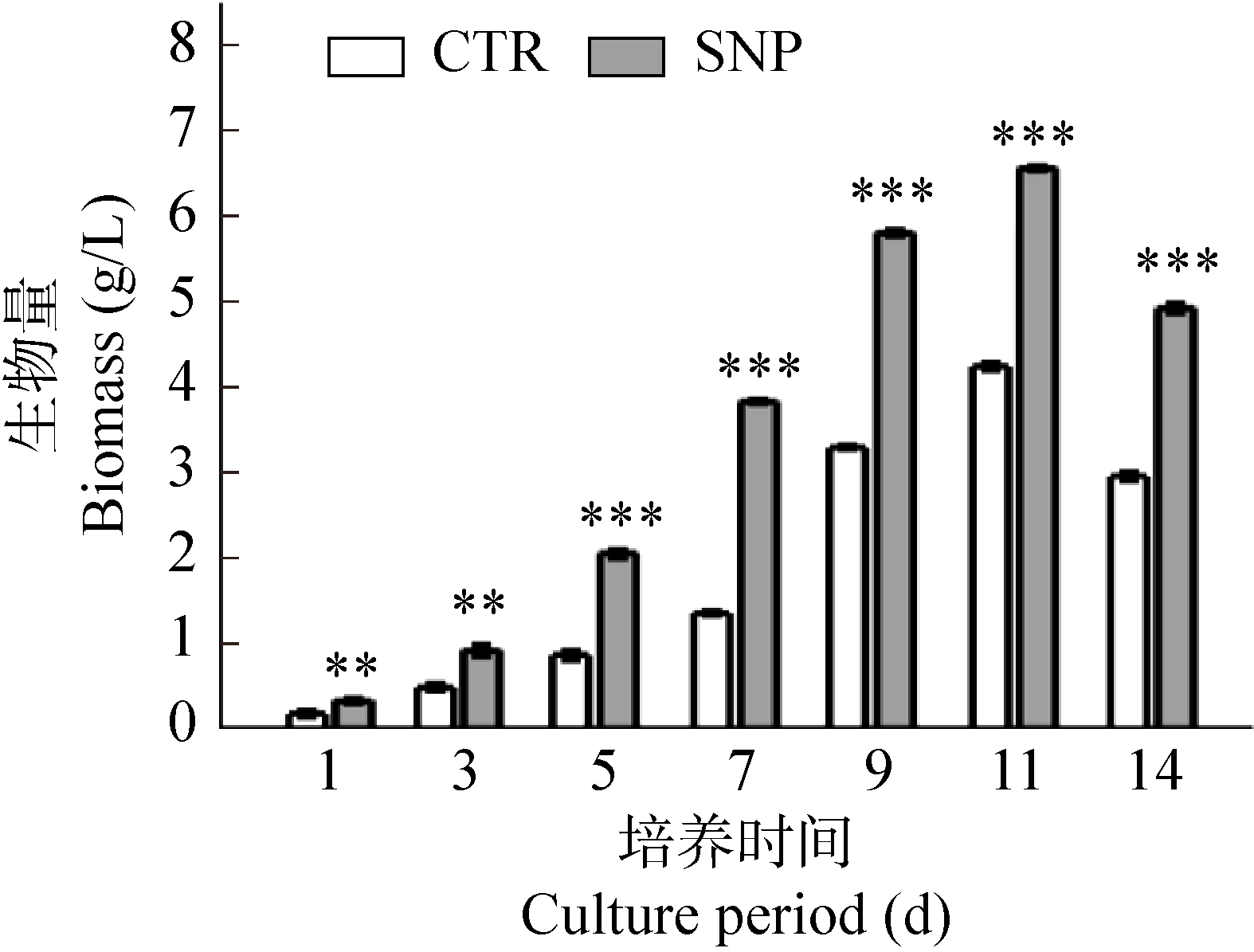
The purpose of this study was to investigate the effect of exogenous nitric oxide on the accumulation of polyphenols and triterpenoids in Sanghuangporus vaninii. Sanghuangporus vaninii was cultivated in fermentation tank under the presence of sodium nitroprusside. The Folin-Ciocalteu method was utilized to determine the content of total polyphenols in S. vaninii, and the composition of polyphenols was determined by high performance liquid chromatography (HPLC). The content of triterpenoids was tested by vanillin-glacial acetic acid-perchloric acid spectrophotometer. The results showed that the addition of sodium nitroprusside could promote the biomass accumulation of S. vaninii and improve the ability of secondary metabolites to scavenge 1,1-diphenyl-2- trinitrophenylhydrazine (DPPH) free radicals. The addition of sodium nitroprusside increased the content of total polyphenols and triterpenoid by 14.3% and 51.7%, respectively. HPLC analysis showed that the content of hispidin, inoscavin A, and phelligridin D was increased in the culture containing sodium nitroprusside during 3-7 day fermentation. In all, nitric oxide can regulate the synthesis of polyphenols and triterpenoid in S. vaninii under liquid fermentation conditions.
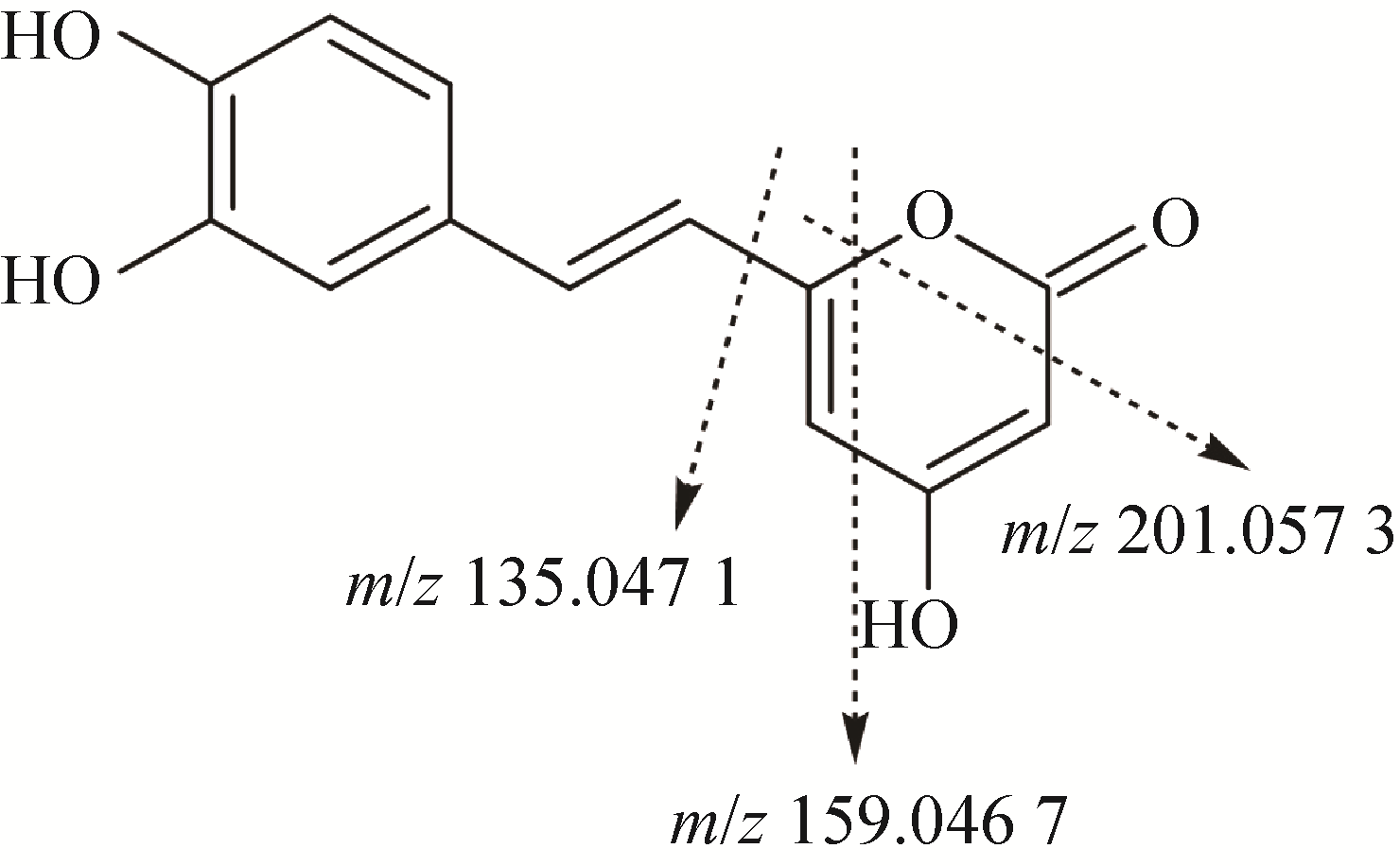
Sanguangporus spp. are a group of fungi with a wide range of pharmacological activities, and their excellent antioxidant activity has attracted people’s extensive attention. Antioxidant activities and chemical components of ethanol extracts of fermentation products from Sanghuangporus sanghuang and S. vaninii were compared. The scavenging rate of 1,1-diphenyl-2-trinitrophenylhydrazine (DPPH), the protective effect of DNA damage caused by hydroxyl radical and L929 cell anti-ageing effect were used to compare the differences of antioxidant activity. The results showed that the extracts of fermentation products from S. sanghuang and S. vaninii both showed effective antioxidant activities, and the antioxidant activity of S. sanghuang fermented product was significantly stronger than that of S. vaninii. A total of 11 polyphenols was identified from S. sanghuang by ultra performance liquid chromatography tandem triple quadrupole time-of-flight mass spectrometry (UPLC-triple-TOF-MS). The components of the fermentation products of S. vaninii were relatively simple.

Mulberry sawdust was used as the cultivation substrate to cultivate Sanghuangporus vaninii. The mycelium growth, yield and the content of polysaccharides, flavonoids and polyphenols in fruiting bodies were measured. The antioxidant activity of active ingredients was evaluated by 1,1-diphenyl -2-picrylhydrazyl (DPPH) free radical scavenging ability, hydroxyl free radical scavenging ability and superoxide anion free radical scavenging ability. The results showed that there were significant differences in mycelium growth, yield, the content of active components and antioxidant activity between S. vaninii cultivates with mulberry sawdust and that cultivated with traditional sawdust substrate. With the increase of the content of mulberry sawdust in cultivation substrate, the mycelium growth, the content of active components and the antioxidant activity of S. vaninii increased. Except for the mycelium growth rate, the active components and antioxidant activity of S. vaninii cultivated with mulberry sawdust were higher than those of S. vaninii cultivated with traditional ordinary sawdust. The yield of S. vaninii is the highest when cultivation substrate contains 40%-60% mulberry sawdust. Pearson analysis showed that flavonoids and polyphenols were positively correlated with DPPH free radical, superoxide anion free radical and hydroxyl radical scavenging ability, while polysaccharides were positively correlated with superoxide anion scavenging ability and hydroxyl radical scavenging ability. Comprehensive analysis of yield, the content of active ingredients and antioxidant activity indicated that the addition quantities of mulberry sawdust should be controlled in the range of 40%-60%. The research results provide a scientific reference for optimization of S. vaninii cultivation substrate.

The inhibitory effects of EtOAc fraction and ethanolic extracts of Sanghuangporus baumii basidiomata on the proliferation of tumour cells were detected by CCK-8 method. The results showed that the EtOAc fraction exhibits good inhibitory activities against NCI-H1299, SGC-7901, HepG2, MDA-MB-231 and HeLa cells after 48 h treatment, while the ethanolic extract shows good inhibitory activity against NCI-H1299 cell. The major chemical constituents of the extracts were analyzed by using ultra-performance liquid chromatography-quadrupole time-of-flight mass spectrometry (UPLC-Q-TOF-MS) in the negative ion mode. In total, 26 phenolic compounds and 12 fatty acids were identified, and the main phenolic compounds were hispidin and its derivatives. The phenolic components with higher content in EtOAc fraction were mainly composed of hispidin, hispolon, davallialactone, osmundacetone, phelligridins C and D, and pinillidine.
Sanghuangporus vaninii contains many phenolic compounds, and the polyphenols show high antioxidant activities. In this study, deep eutectic solvent (DES) was used for extraction of polyphenolic compounds of S. vaninii, and the optimal process parameters for the purification using macroporous resin were determined by a single-factor test. The experimental results showed that HPD-100 macroporous resin gave the best results for purification of S. vaninii polyphenols, and the optimal parameters for static adsorption-desorption were adsorption time of 4 h, loading solution concentration of 10 mg/mL, pH value of 4.0 and desorption ethanol concentration of 70%; the optimal parameters for dynamic adsorption-desorption were loading sample volume of 100 mL and elution volume of 110 mL. The purity of polyphenols increased from 14.56% to 33.81%, and the purified polyphenols had good antioxidant activities. DPPH and ABTS free radical scavenging capacities were 92.75% and 93.03% respectively, effectively preventing oxidative damage to bovine serum proteins and inhibiting the senescence of L929 cells.

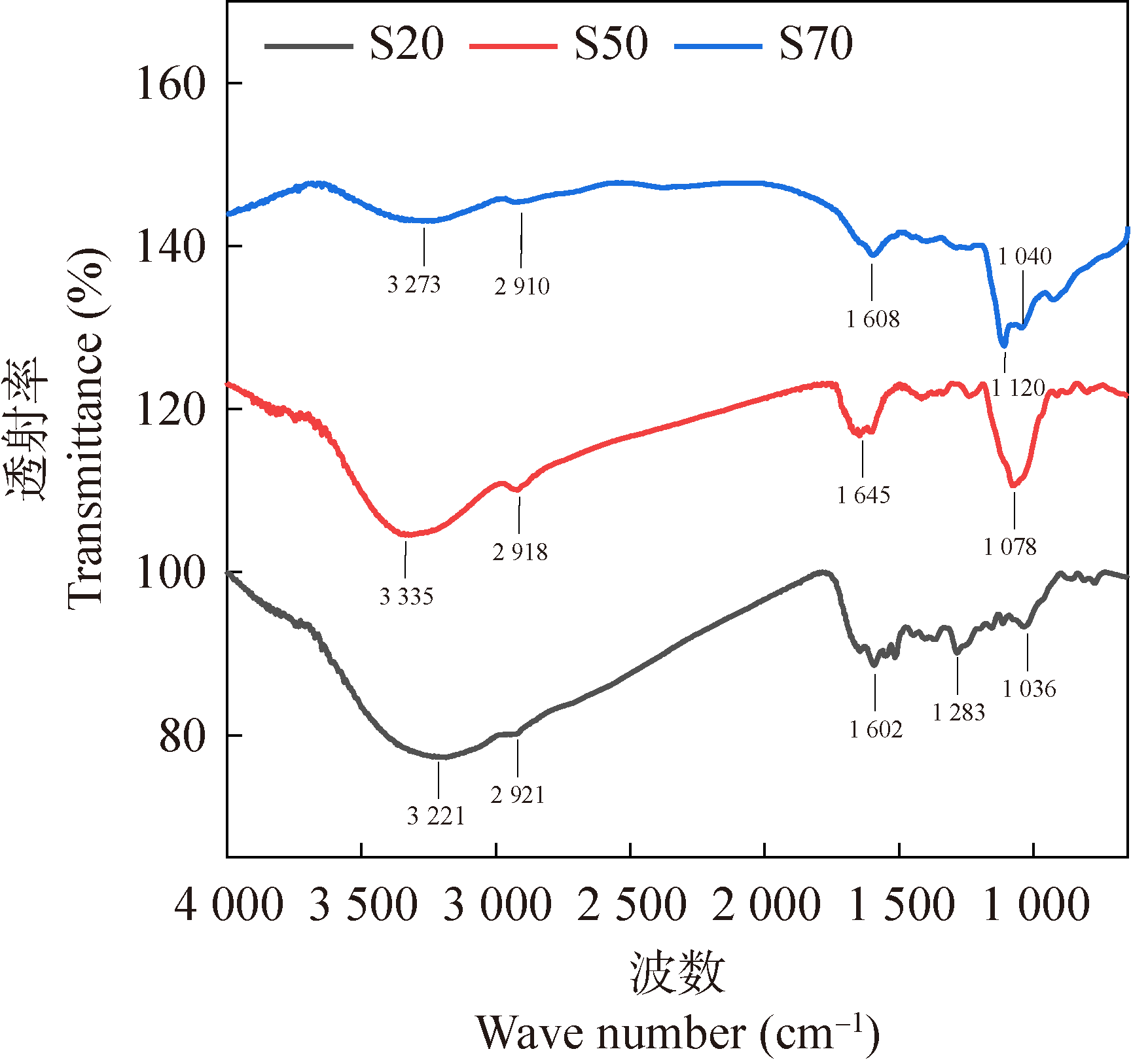
The polysaccharide content, total phenol content, weight average molecular weight distribution, Fourier transform infrared spectroscopy, monosaccharide composition, antioxidant activities and immune activities in vitro of graded ethanol precipitation derived crude polysaccharides of Sanghuangporus vaninii fruiting bodies were compared. Pearson correlation analysis was used to analyze the compositional characteristics and activities of graded ethanol precipitation derived crude polysaccharides. The results showed that the physicochemical properties and activities of different ethanol components derived crude polysaccharides were quite different. The polysaccharide content of graded ethanol precipitation derived crude polysaccharides increased with the increase of ethanol precipitation concentration. The content of total phenol was higher in 20% ethanol gradients, and lower in 50% ethanol gradients. The weight average molecular weight decreased with the increase of ethanol precipitation concentration. The infrared spectrum showed that the hydroxyl vibrational peak of the polysaccharide in the 70% alcoholic fraction was not significant and correlated with low molecular weight distribution of the polysaccharide. In terms of monosaccharide composition, fructose and mannose contents were higher in 50% ethanol gradients, while glucose content was higher in 20% and 70% ethanol gradients. Correlation analysis results show that total phenolic content in crude polysaccharides of the basidiomata showed a significant positive correlation with DPPH and ABTS free radical scavenging activity. All the three crude polysaccharide fractions could activate NO release from RAW 264.7 cells and promote their secretion of immunomodulatory factors such as tumor necrosis factor-α (TNF-α), interleukin-6 (IL-6) and interleukin-1β (IL-1β). There was a significant positive correlation between NO release and polysaccharide content, and S50 with lower total phenolic content and higher galactose and fructose content had better immune activity in vitro. This study provides a reference for the study of polysaccharide effective components of Sanghuangporus vaninii.
To study the uric acid-lowering effects of Sanghuangporus vaninii extracts, the active parts of S. vaninii basidiomata were selected and the functional mechanism was explored. Rat hyperuric acid animal model was established, and SPF male SD rats were randomly divided into 8 experimental groups: normal control group (NC group), model group (Model group), positive control group (PC group), alcohol extract treatment group (CT group), water extract treatment group (ST group), treatment group of water extraction precipitated by 20% ethanol (ST20 group), treatment group of water extraction precipitated by 50% ethanol (ST50 group) and treatment group of water extraction precipitated by 70% ethanol (ST70 group). After continuous intragastric administration for 8 weeks, all rats were euthanized. The levels of uric acid, creatinine, blood urea nitrogen, AST (alanine aminotransferase), and ALT (aspartate aminotransferase) in the serum were determined, and the uric acid-lowering effect and protective effect on kidneys of S. vaninii extract were analyzed on the basis of liver-kidney pathological section and immunohistochemical method. Compared with the model group, the levels of serum uric acid, blood urea nitrogen, and ALT in each treatment group of S. vaninii extract were significantly decreased (P<0.05). HE and Masson staining showed that the kidney structure was clear, and the pathological phenomena such as cell necrosis and fibrosis were significantly improved. The uric acid-lowering activity of S. vaninii basidiomata were mainly displayed by the water extract, and the ST20 component of crude polysaccharide had the best uric acid-lowering activity. Immunohistochemical results showed that S. vaninii polysaccharide significantly enhanced the expression level of uric acid transporter ABCG2 in rat kidney tissue. The uric acid-lowering active site of S. vaninii basidiomata is mainly water extraction, and the macromolecular water-extracted polysaccharide ST20 has the best uric acid lowering effect. It is preliminarily proved that S. vaninii polysaccharide can promote uric acid excretion and alleviate the pathological damage of the kidney by activating the ABCG2 transporter in the kidney. S. vaninii polysaccharide as a pharmacological inducer of uric acid transporter ABCG2 can be used as a potential drug for the treatment of gouty arthritis.

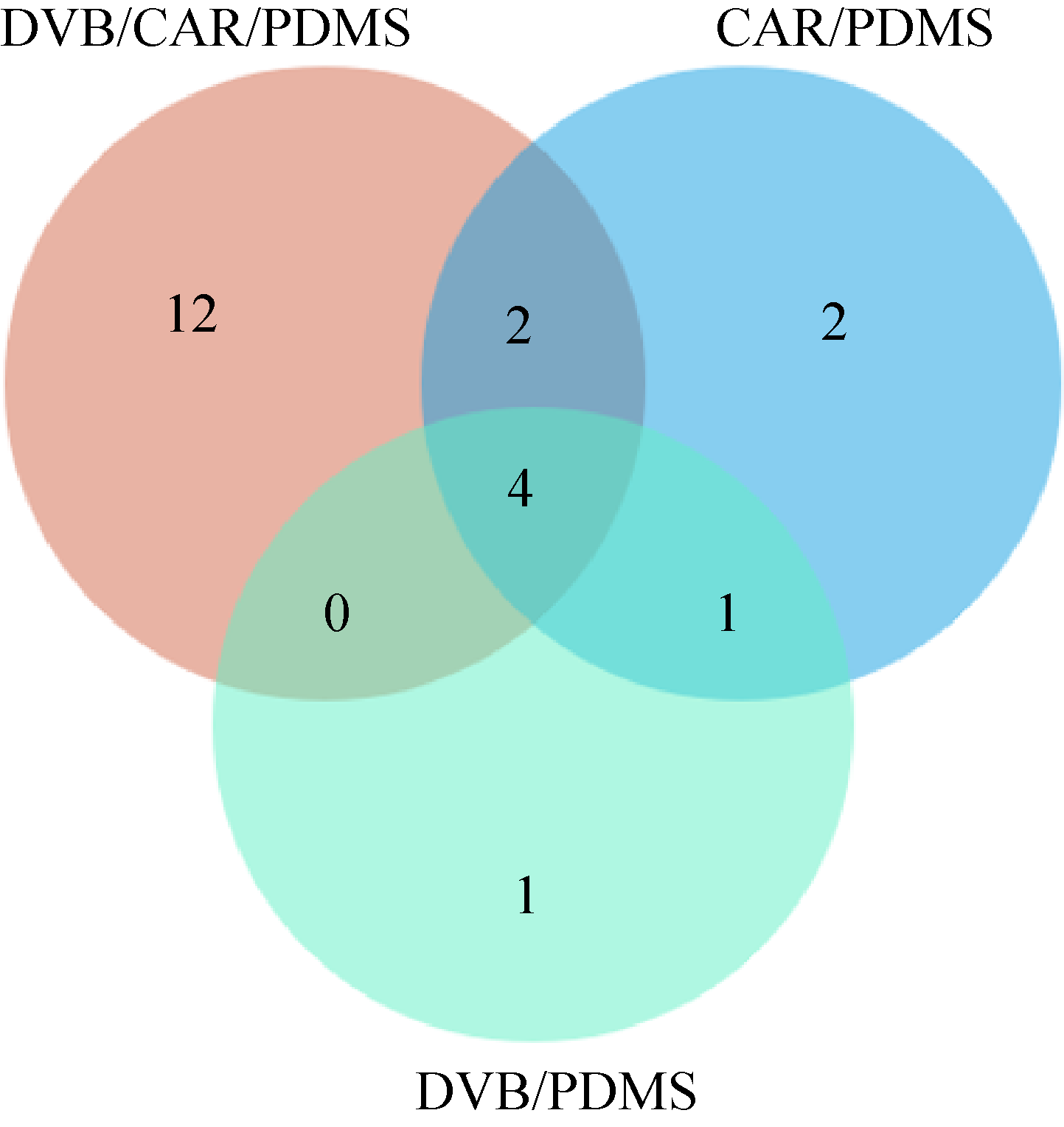
Flavor is one of the main factor affecting the acceptance of consumers to food. To investigate the difference in volatile compounds of different sanghuang fungi, headspace solid-phase microextraction combined with gas chromatography-mass spectrometry (HS-SPME-GC-MS) was used to analyze the volatile compounds from two Sanghuangporus sanghuang strains, three S. vaninii strains, one S. lonicericola strain, and one Inonotus hispidus strain. The contribution of the different components to the overall flavour was analysed in relation to relative odor activity value (ROAV). Sixty-two volatile compounds were detected from seven tested strains by CAR/PDMS and DVB/CAR/PDMS extraction heads, including 31 common components, indicating that using multiple types of extraction heads could improve the extraction effect. Overall, the CAR/PDMS extraction head was more effective in extracting volatiles from S. lonicericola SH77, I. hispidus SH86, and S. vaninii SH91, and the DVB/CAR/PDMS extraction head was more effective in extracting volatiles from S. vaninii SH48, S. sanghuang SH89, S. vaninii SH92, and S. sanghuang SH93. The main volatiles of seven strains differed considerably, and the volatile components of the same species of sanghuang fungi are more or less similar. The main volatile component shared by seven strains was hexanal. The main volatile components (ROAV≥1) shared by S. sanghuang strains SH89 and SH93 are naphthalene, nonanal, hexanal, and 2-undecanone, while the main volatile components of S. vaninii strains SH48, SH91, and SH92 are hexanal, and the main volatile components of S. lonicericola SH77 are nonanal, decanal, etc. The main volatile components of I. hispidus SH86 are heptanal, 1-heptanol, etc. Comparison of the volatile substances of S. vaninii SH91 in three different cultivation time showed that the volatiles were comparatively dense in 50 days and the lightest in 100 days. This study provides reference for further improvement of sanghuang cultivars in the development and utilization of the fungal products.
Currently, sanghuang mushroom products tend towards diversification in the market, and the industry is booming. More and more provinces have issued quality standards or processing standards for sanghuang mushroom, which play an important role in regulating and guiding the quality control of sanghuang products. However, due to the lack of national-level quality control standards, there are still differences in the quality control evaluation indicators and detection methods among provincial sanghuang grading standards, resulting in disadvantage to the horizontal comparison of sanghuang quality and market supervision. In addition, the limits of harmful heavy metal elements are not prescribed in provincial sanghuang grading standards. In this study, the “one-off extraction and multiple detection” method was established and optimized for the extraction process and efficient detection of the content of polysaccharides, total flavonoids, total phenols, and triterpenes and sterols in three species of sanghuang mushrooms. Two different methods determining total flavonoids in current provincial standards, the NaNO2-Al(NO3)3-NaOH method and the AlCl3 method, were compared. Referring to the methods published in the 2020 edition of the Chinese Pharmacopoeia, the content of Pb, Cd, As, Hg, and Cu was determined by microwave digestion-inductively coupled plasma mass spectrometry (ICP-MS). The results showed that the determination method used was accurate and met the requirements of methodological validation. The AlCl3 method was selected for the determination of total flavonoid content due to its better stability. Basidiomata of artificially cultivated Sanghuangporus vaninii had high levels of active ingredients and low levels of harmful heavy metal elements, providing a certain guarantee for the quality of widely applicative sanghuang in the current market. Sanghuangporus baumii had a relatively low level of active ingredients, while Porodaedalea mongolica had a relatively higher level of active ingredients and significantly higher Pb and Cu content than other sanghuang samples. It is suggested that, more attention should be paid to monitoring the content of active ingredients and harmful heavy metals in the future application and research of sanghuang mushrooms. The evaluation method established in this study might provide a reference for scientific and efficient quality evaluation of sanghuang mushrooms.